How Your Visa and the IHS Affect Your NHS Entitlement in the UK
Moving to the United Kingdom involves a mountain of paperwork, but few things cause as much confusion—and "sticker shock"—as the Immigration Health Surcharge (IHS). You might think that paying thousands of pounds upfront grants you immediate, unrestricted access to every medical service, but the reality is more nuanced. This guide explains how your specific visa type and the IHS payment dictate exactly what you can and cannot access within the National Health Service (NHS).
The Fundamentals of the Immigration Health Surcharge
When you first start your visa application, the sudden request for a massive IHS payment can feel like a punch to the gut. I remember sitting at my laptop, staring at the total for a five-year visa, wondering if I had misread the numbers. The IHS is a mandatory fee paid by most non-EEA nationals moving to the UK for more than six months. It was designed to ensure that those moving to the UK contribute to the funding of the healthcare system they will inevitably use. It is important to understand What Is the IHS and Why Do We Pay It in the UK? because it is not technically a tax, but rather a prerequisite for residency.
The cost of the surcharge has risen significantly over the years. As of 2024 and 2026 projections, the standard rate for most work and family visas is £1,035 per year of the visa’s duration. For students, the rate is slightly lower, but the total is still paid upfront at the time of the application. If you are applying for a five-year Skilled Worker visa, you are looking at over £5,000 just for healthcare access. This payment is non-negotiable; if you don't pay it, your visa will be refused. However, paying it does not mean you have a "premium" membership. You are simply being granted the same "right to access" as a local British citizen, which means you are subject to the same waiting lists and local GP availability.
The link between this payment and your visa approval is absolute. The Home Office and the NHS systems are integrated, meaning that once your visa is granted, your IHS status is logged against your record. When you eventually visit a hospital, the administrative staff can see that you have paid the surcharge via your Biometric Residence Permit (BRP) or your digital eVisa status. For those in the middle of a move, having a flexible backup like SafetyWing can be incredibly helpful during the hectic days when your visa is still processing or you are waiting for your physical BRP to arrive in the mail.
Visa Categories and Their Specific NHS Access Rules
Not every visa holder is treated the same by the NHS billing office. For instance, those on a Skilled Worker visa have a straightforward path: they pay the IHS and receive full NHS entitlement. However, even within this category, there are nuances. If you are fortunate enough to be on the Health and Care Worker visa, you are actually exempt from paying the IHS entirely. This is a recognition of the contribution these workers make directly to the healthcare system. You still get full access, but without the thousands of pounds in upfront costs. It’s a massive relief for those in the medical profession, and you should check if you qualify if you are moving for a clinical role.
Students face a different set of hurdles. While the student IHS rate is lower (currently around £776 per year), the "entitlement" period is strictly tied to the length of the Tier 4 or Student Route visa. If you finish your studies and stay on for the Graduate Route, you will have to pay the full IHS rate for those two or three years. It is vital to understand How Your Visa and the IHS Affect Your NHS Entitlement in the UK when switching between these categories, as a lapse in payment or a delay in your new visa application could technically make you "chargeable" for hospital services in the interim.
Then we have the visitors. If you are in the UK on a Standard Visitor visa or a six-month tourist entry, you do not pay the IHS. This might sound like a win, but it means you have no "entitlement" to free NHS care beyond the most basic emergency services. If you require a non-emergency operation or a stay in a hospital ward, the NHS is legally required to charge you 150% of the standard cost of that procedure. This is where many expats get caught out when their parents or friends come to visit. For tourists and short-term visitors, having an international plan like SafetyWing is essential because the NHS will not hesitate to send a massive bill for a broken leg or an unplanned surgery.
The Gap Between Arrival and NHS Registration
One of the most stressful experiences for a new expat is getting sick within the first week of landing. You’ve paid your IHS, you have your visa, but you haven't yet found a place to live or registered with a local doctor. This "administrative purgatory" is a real problem. Even though you are entitled to care, a GP surgery might be hesitant to register you without a fixed proof of address, such as a utility bill or a tenancy agreement. Trust me, trying to explain "ordinary residence" to a busy receptionist in a London surgery can be an uphill battle.
While you are in this transition phase, you can still access urgent care centers and A&E (Emergency Rooms). You will need to show your passport and your visa to prove you have paid the IHS. If the hospital can't find you in the system, they might try to bill you as an "overseas visitor." This is why it is so important to know How to Get a Biometric Residence Permit or eVisa in the UK as soon as possible. Your BRP is your primary proof of healthcare entitlement until you are formally registered in the NHS database and assigned a permanent NHS number.
Because the registration process can take weeks—especially in high-demand areas like Manchester or London—it is wise for newcomers to have a "bridge" in place. Using a service like SafetyWing for the first 30 to 90 days of your move can provide a safety net. If you have a minor illness that isn't a 999 emergency, you might find it faster and easier to see a private GP using your insurance rather than waiting for an NHS registration to be processed while you’re shivering with a fever in a temporary Airbnb.
| Patient Status | IHS Requirement | Primary Care (GP) Cost | Hospital/Secondary Care Cost |
|---|---|---|---|
| Skilled Worker Visa | Mandatory | Free at point of use | Free at point of use |
| Student Visa | Mandatory (Discounted) | Free at point of use | Free at point of use |
| Health & Care Visa | Exempt | Free at point of use | Free at point of use |
| Standard Visitor | Not Applicable | Not available (usually) | 150% of NHS National Tariff |
| Indefinite Leave | Not Applicable | Free at point of use | Free at point of use |
What the IHS Covers and What It Doesn't
A common misconception among expats is that the IHS is a "health insurance" policy. It is not. It is a surcharge that gives you the right to use a taxpayer-funded system. This means that once you are in the system, you are entitled to Understanding Who Is Eligible for Free NHS Care in the UK for things like GP consultations, hospital surgeries, and mental health support. However, just like a British citizen, you still have to pay for the extras that the NHS doesn't cover fully.
The biggest shock for most is dental care. Even if you have paid £5,000 for your IHS, you still have to pay for NHS dental check-ups and treatments. And that’s if you can even find an NHS dentist. The system is currently under immense pressure, and many expats find themselves forced to go private for dental work. You should read up on Understanding NHS and Private Dental Care Costs in the UK before you arrive so you can budget for those biannual cleanings or the occasional filling, which will not be "free" under your visa entitlement.
Prescriptions are another area of confusion. In England, most adults have to pay a flat fee per prescription item, regardless of the actual cost of the drug. If you are on long-term medication, this can add up. However, there are exemptions for certain medical conditions or if you are pregnant. It is worth checking Understanding NHS Prescription Charges and Exemptions in the UK to see if you qualify for a prepayment certificate or an exemption. Optical care, including eye tests and the cost of glasses, is also generally not covered by the IHS payment, meaning you’ll be paying out of pocket at high-street opticians like Specsavers or Boots.
Managing the Transition with Private Protection
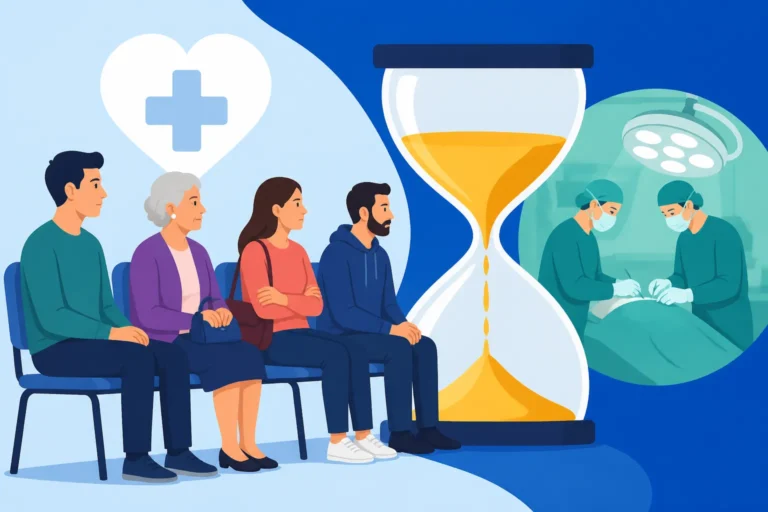
The NHS is a wonderful institution, but it is currently facing record-breaking waiting times. For many expats coming from countries with rapid private systems, the idea of waiting 18 weeks (or much longer) for a non-urgent specialist referral is terrifying. This is why many people choose to supplement their IHS entitlement with private coverage. You are essentially paying for the "right" to use the NHS via the IHS, but you are paying for "speed" via private insurance.
For the digital nomad or the expat who is still scouting different cities before settling down, specialized plans can be a middle ground. SafetyWing, for instance, offers the kind of flexibility that traditional UK private health insurance often lacks for newcomers. If you haven't committed to a long-term rental yet, you might not be ready for a heavy UK-specific private policy. A global plan allows you to have peace of mind while you are navigating the How Long Are NHS Waiting Lists in the UK? for things that aren't life-threatening but are definitely quality-of-life issues, like physiotherapy or minor skin conditions.
If you do decide to go fully private in the UK, you’ll find a range of providers like Bupa, AXA, or Vitality. These plans allow you to bypass the GP referral bottleneck in some cases and get straight into a private hospital like a Nuffield or Spire facility. However, keep in mind that even with private insurance, for major emergencies or chronic long-term care (like cancer or dialysis), you will almost always be funneled back into the NHS system. The private sector in the UK is fantastic for elective surgery and quick diagnostics, but the NHS is the backbone for everything else. Understanding Private Health Insurance Plans in the UK is a vital part of your long-term financial planning in the country.
Practical Steps to Activate Your Healthcare Rights
Once you have landed and collected your BRP, your first priority should be to How to Find and Register with a Local GP Surgery in the UK. Do not wait until you are sick. Use the NHS "Find a GP" website to see which surgeries are taking patients in your postcode. Some might allow you to register online, while others will want you to come in person with your passport and proof of address. Once registered, the surgery will request an NHS number for you if you don't already have one.
Receiving your NHS number is the final "activation" of your healthcare rights. This ten-digit number is unique to you and will follow you for the rest of your life in the UK. It is essential for booking appointments through the NHS App and for seeing your test results online. You can learn more about Understanding How to Get an NHS Number in the UK to ensure the process goes smoothly. If you ever move house, you must update your address with your GP, or you risk being "de-registered" and losing your spot in the system.
Finally, keep an eye on your visa status. If you renew your visa, you will have to pay the IHS again. Sometimes the systems don't sync up perfectly, and you might receive a letter from a hospital asking for payment for a recent visit. If this happens, don't panic. As long as you have a valid visa and have paid the surcharge, you are entitled to care. You will simply need to provide the hospital's "Overseas Visitors Manager" with your new IHS reference number and a copy of your visa approval. Being proactive and keeping your paperwork organized is the best way to ensure that your healthcare journey in the UK is as stress-free as possible.
Health and Medical Disclaimer
The information provided in this guide is for general informational purposes only and does not constitute legal, financial, or professional medical advice. Immigration rules, IHS costs, and NHS policies in the UK are subject to frequent changes by the Home Office and the Department of Health and Social Care. Always consult the official GOV.UK website or a qualified immigration solicitor for advice regarding your specific visa status and healthcare entitlements. If you are experiencing a medical emergency in the UK, dial 999 immediately or visit the nearest Accident and Emergency (A&E) department. For non-emergency medical concerns, contact NHS 111.