What Should I Do in a Medical Emergency in London?
It's a chilling thought, isn't it? You're exploring London, perhaps marvelling at Big Ben or enjoying a curry in Brick Lane, and suddenly, something goes wrong. A sudden pain, an unexpected accident – your mind races: What do I do? Where do I go? How does this even work in the UK? This guide is here to cut through the panic, providing clear, actionable steps for navigating a medical emergency in London, whether you're a long-term expat or just visiting.
Differentiating Between a True Emergency and Urgent Care
One of the biggest hurdles for anyone new to the UK's healthcare system, especially the NHS, is understanding the distinction between a genuine life-threatening emergency and an urgent medical issue that still needs attention but isn't quite at the "call an ambulance" level. Getting this wrong can lead to unnecessary delays for yourself and others, and frankly, a whole lot of frustration.
Defining "Emergency" in the UK
In the UK, a "medical emergency" is a situation where someone is seriously ill or injured and their life is at risk. We're talking about conditions that could lead to permanent disability or death if not treated immediately. This isn't just a guideline; it's the core principle that dictates how emergency services respond. If you're having trouble breathing, experiencing severe chest pain, losing consciousness, or have severe bleeding that won't stop, that's an emergency. These are the moments when seconds count.
The NHS defines an emergency as:
- Loss of consciousness
- Acute confused state and fits that are not stopping
- Persistent, severe chest pain
- Breathing difficulties
- Severe bleeding that cannot be stopped
- Severe allergic reactions
- Symptoms of a stroke (facial drooping, arm weakness, speech difficulty)
- Severe burns or scalds
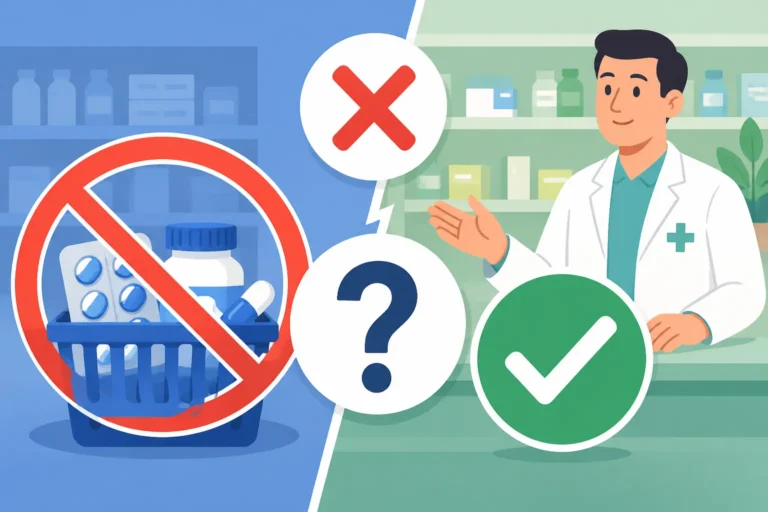
For anything less than these, you’re often better off seeking urgent care elsewhere. Trust me, showing up at A&E with a persistent cough or a minor sprain will likely mean hours of waiting, as those with genuine life-threatening conditions will always be prioritised. This can be infuriating when you're in pain and don't know where else to turn, but that's precisely why it's crucial to understand the system. For a broader overview of how the system works, you might find How the NHS Works: Public Healthcare in the UK Explained (2027) really helpful.
When to Go to Accident & Emergency A&E
Accident & Emergency (A&E) departments, sometimes called "Emergency Departments" or "Casualty," are located within hospitals and are specifically for true medical emergencies. They operate 24/7 and are equipped to handle critical situations. If you are experiencing any of the life-threatening conditions listed above, or if you've been involved in a serious accident, A&E is where you need to be.
It’s important to remember that A&E waiting times can be incredibly long, especially in major cities like London. While they will triage you upon arrival – assessing your condition to determine how quickly you need to be seen – if your issue isn't critical, you could literally be waiting for many hours, sometimes even half a day. This isn't because they don't care, but because the system is stretched, and the most severe cases demand immediate attention. Don't be surprised if someone who arrived after you is seen before you if their condition is deemed more urgent. This can be a tough pill to swallow when you're feeling unwell and just want to be seen.
Responding to a Life-Threatening Emergency: Calling 999
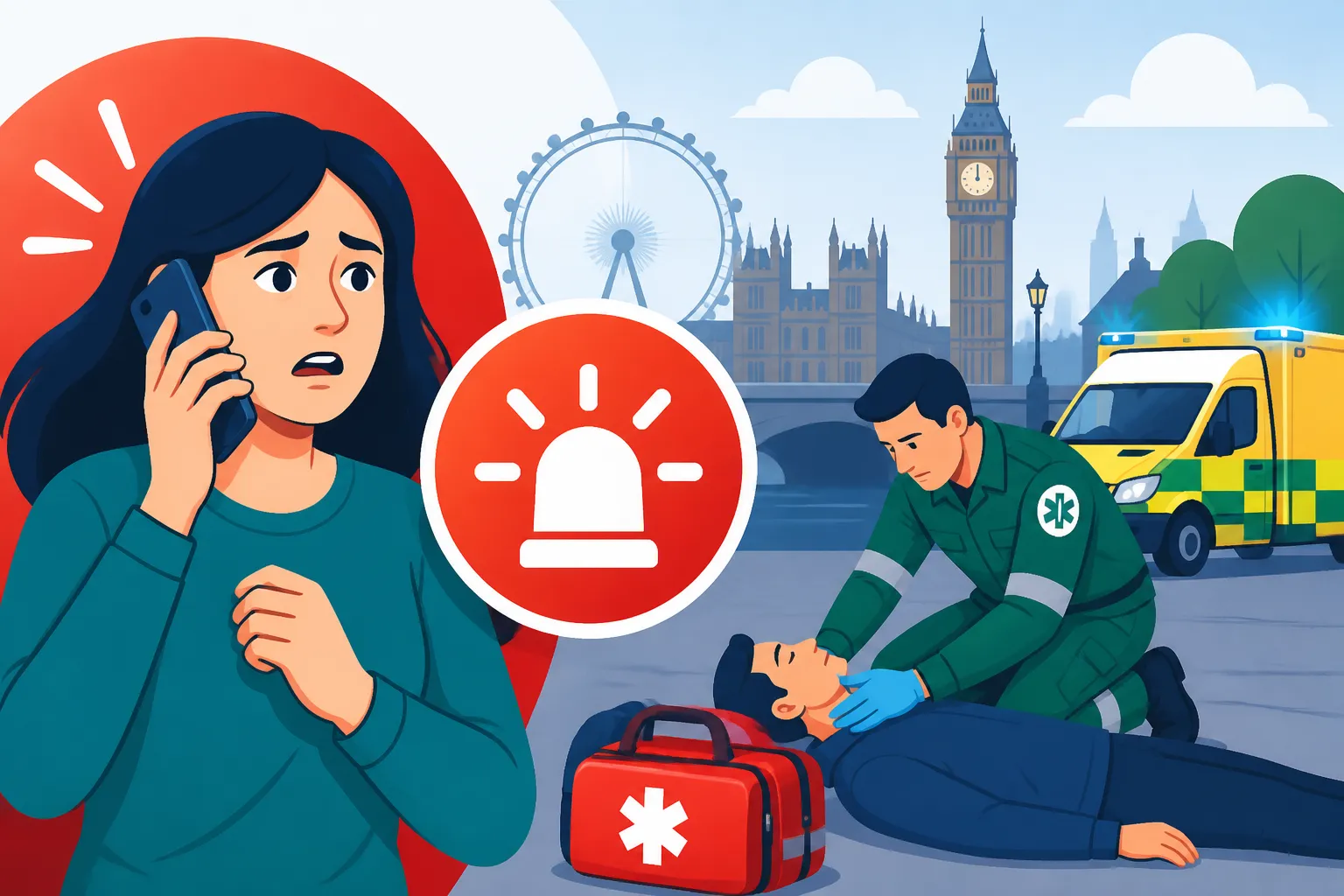
When you're faced with a clear, life-threatening emergency in London, there's one number you need to know, and it's free from any phone: 999. This is the UK's equivalent of 911 in the US or 112 in Europe, connecting you to emergency services: Ambulance, Police, Fire, and Coastguard.
Calling 999 and What to Expect
When you dial 999, an operator will answer and ask which service you require. In a medical emergency, clearly state "Ambulance." They will then connect you to the ambulance service, where a trained call handler will ask you a series of questions to assess the situation. Try to stay calm and answer as clearly as possible, even if you're panicking. They will want to know:
- Your exact location, including the postcode if you know it, and any distinguishing features (e.g., "outside the Pret A Manger on High Street," "flat 3, number 10 Downing Street, second floor"). London is a vast city, and precise location details are critical.
- The nature of the emergency – what happened? What are the symptoms?
- The age and gender of the patient.
- Whether the patient is conscious and breathing.
- Any pre-existing medical conditions if you know them.
They might give you advice on what to do while help is on the way, such as performing CPR or keeping the patient warm. Stay on the line until they tell you it's okay to hang up. An ambulance will be dispatched, typically staffed by paramedics or emergency medical technicians. Depending on the severity and location, you might also see rapid response vehicles, which are smaller vehicles with a single paramedic who can provide initial treatment. For a deep dive into emergency numbers, read Understanding Emergency Numbers (999 and 111) and Ambulances in the UK.
What Happens at A&E
Once you or the patient arrives at an A&E department – either by ambulance or if you've managed to get there by other means – the process begins. You’ll first be 'triaged' by a nurse or other healthcare professional. This involves a quick assessment of vital signs, symptoms, and medical history to determine the urgency of your condition. This initial assessment is crucial for prioritising patients; those with the most severe and life-threatening conditions will be seen first, regardless of when they arrived.
After triage, you'll be directed to a waiting area. This is where the notorious A&E waiting times come into play. For conditions deemed less urgent, waits can extend to several hours. During this time, you might feel forgotten, but staff are constantly monitoring the overall situation. When you are called, you will be seen by a doctor or another senior healthcare professional who will conduct a more thorough examination, order tests (like blood tests, X-rays, or scans), and determine the appropriate course of treatment. This could range from medication and advice to being admitted to the hospital or referred to a specialist. While the process can feel long and impersonal, remember that the staff are working under immense pressure to care for everyone.
Urgent but Not Life-Threatening: Navigating NHS 111 and Walk-In Options
Many medical issues are urgent and require attention, but they aren't truly life-threatening emergencies. This is where the UK's system offers alternatives to A&E, designed to get you the right care faster and ease the pressure on emergency departments. Ignoring these options means you'll likely face very long waits at A&E for something that could have been handled much more efficiently elsewhere.
Using NHS 111 for Non-Emergency Advice
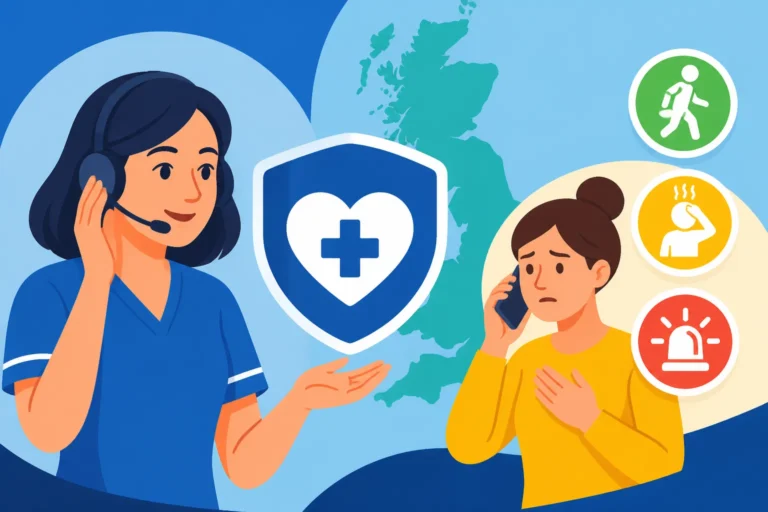
NHS 111 is an absolute lifesaver for expats and tourists alike when you're unsure what to do. It’s a free-to-call, 24/7 telephone service for non-emergency medical advice and guidance. You can also access an online version of the service via the NHS website. When you call 111, you'll speak to a highly trained advisor who will ask questions about your symptoms using a clinical assessment system. They can then:
- Give you self-care advice if your symptoms can be managed at home.
- Direct you to the most appropriate local service, such as an Urgent Treatment Centre, a GP out-of-hours service, or even book you an appointment with a doctor.
- Arrange for a healthcare professional (like a nurse or paramedic) to call you back for further assessment.
- In some cases, if they determine your condition is more serious than initially thought, they can even dispatch an ambulance for you.
This service is invaluable for conditions like persistent fevers, minor burns, sprains, suspected infections, or if you simply need advice on medication. It avoids the long waits of A&E and ensures you get directed to the right place quickly. Think of it as your first port of call for anything that isn't a clear 999 emergency. Learning Understanding NHS 111 and When to Use It in the UK is a must for anyone living here.
Urgent Treatment Centres and Walk-in Centres
London has several Urgent Treatment Centres (UTCs) and NHS Walk-in Centres designed to treat urgent, but not life-threatening, illnesses and injuries. These are fantastic alternatives to A&E for a range of conditions, and they often have much shorter waiting times. UTCs are typically open for extended hours, sometimes even 24/7, and are staffed by experienced doctors and nurses.
You can visit a UTC or Walk-in Centre for issues such as:
- Minor cuts, wounds, and burns
- Sprains, strains, and minor fractures
- Fevers, infections (e.g., ear, throat, chest), and rashes
- Minor head injuries
- Eye problems
- Urine infections
Some well-known UTCs in London include those at St Thomas' Hospital (near Waterloo), Charing Cross Hospital (Hammersmith), and Royal London Hospital (Whitechapel). A quick online search for "NHS Urgent Treatment Centre near me London" will give you the most up-to-date locations and opening hours. You don't usually need an appointment for these centres, though calling NHS 111 first can often streamline the process by confirming it's the right place for your specific issue. If you're not registered with a GP, these are excellent options for prompt care when something pops up unexpectedly. For more general advice on navigating the healthcare system as an expat, take a look at Navigating the UK Healthcare System: An Expat's Roadmap (2026).
Financial Considerations and Managing Costs
Beyond the immediate medical concern, a huge source of anxiety for expats and tourists in a medical emergency is the cost. The UK's NHS is largely free at the point of use for eligible residents, but "eligible" is the key word here, and it doesn't cover every situation for everyone. Understanding your status and having appropriate insurance is critical to avoid unexpected bills.
Understanding NHS Costs for Emergencies
For many long-term expats who have paid the Immigration Health Surcharge (IHS) as part of their visa application, emergency care at an NHS hospital in the UK is generally free at the point of use. This means you won't be charged for an ambulance call-out or A&E treatment. You are, in effect, contributing to the NHS through your IHS payment. This is a massive relief for many, as it ensures access to crucial services without immediate financial worry. If you're unclear on your eligibility, Understanding Who Is Eligible for Free NHS Care in the UK is a useful resource.
However, for tourists or those on short-term visas who haven't paid the IHS, the situation can be more complex. While emergency treatment at the point of use is often provided regardless of ability to pay (they won't refuse life-saving care), you may receive a bill later for certain treatments, particularly if it involves an inpatient stay, ongoing care, or anything deemed non-emergency even if it started in A&E. This is where travel insurance becomes absolutely indispensable. Even a broken arm can quickly escalate into a substantial bill without it.
Private and Travel Insurance: Your Safety Net
For tourists, robust travel insurance is non-negotiable. It should cover medical emergencies, hospital stays, repatriation (getting you back home if needed), and any associated costs. Imagine breaking your leg while visiting; without insurance, the costs for ambulance, A&E, potential surgery, hospital stay, and flights home could easily run into thousands of pounds. When choosing travel insurance, make sure to read the fine print regarding emergency medical cover, exclusions (e.g., pre-existing conditions), and the claims process.
For expats, while the IHS covers many NHS services, many choose to get private health insurance for several reasons: shorter waiting times for specialist appointments and non-emergency procedures, access to private hospitals with more comfortable facilities, and more choice over consultants. Brands like SafetyWing offer flexible travel medical insurance, which can be particularly useful for digital nomads or those who might travel frequently in and out of the UK. This kind of insurance can provide a layer of protection that bridges gaps for those whose primary healthcare is not fully settled, or who want cover for unforeseen situations not entirely covered by the NHS. It's an excellent option to consider, offering peace of mind when you're far from home and want reliable medical assistance. If you're weighing your options, Health Insurance in the UK: Private Cover and Options Explained has more detailed information.
| Service Needed | When to Use | Cost for IHS-Paying Expats | Cost for Tourists/Non-IHS (may vary) |
|---|---|---|---|
| 999 (Ambulance) | Life-threatening emergency | Free | May be charged |
| A&E (Hospital) | Life-threatening emergency | Free | May be charged for follow-up/inpatient stay |
| NHS 111 | Urgent advice, non-emergency | Free | Free |
| Urgent Treatment Centre | Urgent, non-life-threatening injury/illness | Free | May be charged |
| GP Appointment | Non-urgent illness (if registered) | Free (Prescription fees apply) | Typically charged (private GP options) |
Managing Follow-Up Care and Prescriptions
After an emergency or urgent care visit, you might need follow-up appointments, medication, or ongoing support. If you are an expat registered with a GP, any follow-up care will usually be coordinated through them. They can arrange specialist referrals, manage repeat prescriptions, and provide ongoing advice. If you're not yet registered, this is a good prompt to do so; How to Register with an NHS GP After Moving to the UK provides a step-by-step guide.
For tourists, follow-up care will depend heavily on your insurance. Your travel insurance provider (like SafetyWing, for instance, which is designed with travelers in mind) should be your first point of contact to coordinate any further treatment or to understand what costs they will cover. They can often help arrange appointments or advise on local private clinics if needed. For prescriptions, even if the emergency treatment was free, you will likely need to pay the standard NHS prescription charge (currently £9.90 per item in England) unless you qualify for an exemption. In Scotland, Wales, and Northern Ireland, prescriptions are free.
Navigating a medical emergency in a foreign country is undoubtedly stressful, but with a clear understanding of the UK's system and the right preparation, you can ensure you get the care you need when it matters most.
Disclaimer
The information provided in this article is intended for general guidance only and does not constitute professional medical, legal, or financial advice. Healthcare policies, eligibility criteria, and costs in the UK can change. Always consult with a qualified healthcare professional, legal expert, or financial advisor for advice tailored to your specific situation.