How Do I Add My Newborn to My UK Visa?
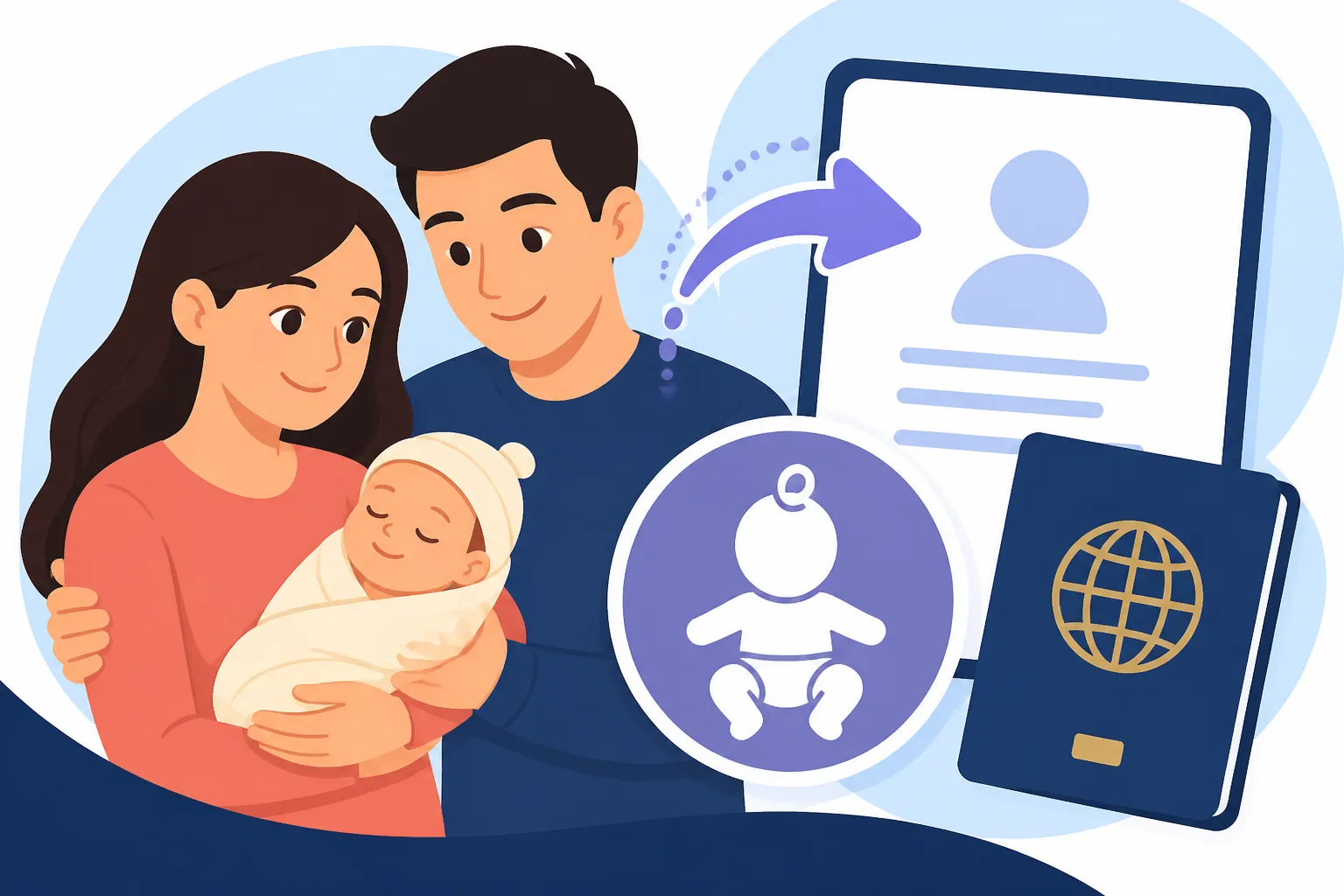
Oh, the sheer joy of welcoming a new little person into your life! There's nothing quite like it, is there? But if you're an expat here in the UK, that wonderful, sleepless bliss often comes with a rather large, unavoidable side helping of administrative dread: figuring out how to get your precious newborn onto your existing UK visa. It’s a process that can feel incredibly overwhelming, especially when you’re already navigating the fog of new parenthood. This guide is here to help you cut through the confusion and walk you through the practical steps to secure your newborn's immigration status.
Understanding Your Newborn's Immigration Status in the UK
When you have a baby in a new country, one of the first questions that pops into your head (after "Are they breathing?!" and "Is this normal?!") is often about their nationality and right to live there. The UK, like many countries, has specific rules, and they're not always as straightforward as one might hope or assume.
The Automatic British Citizenship Question and Reality Check
It’s a common misconception among expats that if your child is born on British soil, they automatically become a British citizen. I've seen countless new parents mistakenly believe this, only to face a rude awakening. While it's true in some countries, it’s generally not the case here in the UK unless at least one parent is already a British citizen or has "settled status" at the time of the child's birth.
What does "settled status" mean in this context? It usually refers to holding Indefinite Leave to Remain (ILR), having a permanent residence document, or being a British citizen yourself. If both parents are in the UK on a temporary visa – say, a Skilled Worker visa, a Student visa, or a Family visa – their newborn will not automatically become a British citizen. This is often a real shock for new parents, adding another layer of complexity to an already challenging time. Your baby’s immigration status will typically mirror your own, meaning they will need to apply for a visa as your dependant.
The Dependant Route: Why It's Usually the Way Forward
For most expat families, the pathway for their newborn is through the dependant visa route. This means your little one applies for a visa to join you (and your partner, if applicable) as your dependant, piggybacking on your existing immigration status. The specific visa category will depend entirely on the type of visa you, as the main applicant, hold. For instance, if you are on a Skilled Worker visa, your baby will apply for a 'Skilled Worker dependant child' visa. The same applies to Student visas, Family visas, and so on.
The good news is that this route is well-established, and the process, while requiring meticulous attention to detail, is usually fairly predictable once you understand the requirements. The core principle is that your child is dependent on you and therefore needs permission to live in the UK under your care. This also means that their visa will typically be granted for the same duration as yours, or until your existing visa expires, whichever comes first. It's a system designed to keep families together, but it does require proactive engagement from you to make sure your newest family member is legally covered. For more detailed information, you can always refer to resources on Family and Partner Visas in the UK: Bringing Your Loved Ones (2027) or specifically on Understanding the Dependant Visa for Children in the UK.
The Step-by-Step Process to Add Your Newborn to Your UK Visa
Getting your newborn's visa sorted isn't something you want to put off. The sooner you tackle it, the better. Here’s a breakdown of the typical steps you’ll need to follow.
Gathering Essential Documents
This is often the part that sends shivers down an expat's spine – the document list. It can feel like an endless paper chase, but with a newborn in tow, meticulous organisation is your best friend. Start early, even before the baby arrives, if possible!
- Newborn's UK Birth Certificate: This is paramount. You'll register your baby's birth at your local register office, usually within 42 days (6 weeks) of birth in England and Wales. This document proves their place and date of birth and identifies their parents. Without it, you can't proceed.
- Parents' Passports and Existing BRPs/eVisas: You'll need scans or copies of the biographical pages of both parents' passports, along with their current Biometric Residence Permits (BRPs) or confirmation of their eVisa status. These prove your own legal status in the UK.
- Proof of Relationship: The birth certificate serves this purpose perfectly, linking your baby directly to you.
- Proof of Funds (Maintenance Requirement): This is crucial. The Home Office wants to ensure your newborn won't become a burden on public funds. You'll need to demonstrate that you have sufficient funds to support your child. The exact amount can vary depending on your specific visa category (e.g., Skilled Worker, Student, etc.), but it's typically a set amount held in a bank account for a continuous period (usually 28 days) before the application. For a dependant child, this is often around £315-£350, on top of any funds required for yourself or other dependants. Make sure your bank statements clearly show the funds.
- Tuberculosis (TB) Test Certificate: This is generally not required for a newborn born in the UK, but if you happened to bring your newborn from a country where TB tests are required for UK visa applications, then you would need one. It's rare for a UK-born child, but always good to double-check the specific guidance for your visa route.
- Immigration Health Surcharge (IHS) Payment Confirmation: Your newborn will need to pay the IHS, just like you did, to access the NHS. This payment is made during the online application process. It’s an upfront cost that can be significant, but it grants your baby access to the UK's healthcare system. We'll delve into this more below, but for a deeper understanding of this payment, take a look at Understanding the Immigration Health Surcharge (IHS) and NHS Access (2027).
Gathering all these documents while juggling newborn feeds and nappy changes is a monumental task. Give yourself grace and start chipping away at it whenever you can.
Completing the Online Application (UKVI)
Once your documents are in order, it's time to tackle the online application form. This isn't the most user-friendly process, but take it slow and be precise.
- Find the Right Application Form: This is vital. You must select the correct form for a dependant child based on your primary visa category. For example, if you are on a Skilled Worker visa, search for "Skilled Worker dependant partner or child visa" on the UK government website. If you choose the wrong one, your application could be rejected, costing you time and money.
- Create an Account or Log In: You'll likely need to create a new account for your child, or if prompted, link it to your existing UKVI account.
- Fill Out the Form Meticulously: Go through each section carefully.
- Personal Details: Enter your baby's name exactly as it appears on their birth certificate, date of birth, and nationality.
- Parental Information: Provide details of both parents, including their names, dates of birth, and current UK visa details (BRP numbers/eVisa status).
- Contact Information: Use your contact details.
- Travel History: For a newborn, this will likely be minimal, if any.
- Financial Information: This is where you'll input details about the maintenance funds you've prepared.
- Immigration Health Surcharge: The system will calculate the IHS based on the length of visa your child will receive (which usually matches yours). You'll pay this online during the application.
- Review, Review, Review: Before submitting, double-check every single piece of information. A small typo could lead to delays or even refusal. It’s a tedious process, but imagine the headache of having to redo it with a colicky baby. Trust me, it’s worth the extra time.
Biometrics and Document Submission
For newborn dependant applications, the process for biometrics is usually a bit different from adult applications.
- Biometrics: Typically, a newborn child applying as a dependant within the UK does not need to attend a physical biometric appointment at a UK Visa and Citizenship Application Service (UKVCAS) centre. This is because their fingerprints are not yet developed enough for scanning. Instead, their parents' biometrics (already on file from your own visa application) are generally sufficient, combined with the child's birth certificate. However, always check the specific instructions provided after you submit the online application, as guidelines can change.
- Document Submission: After submitting the online application and paying the fees, you will usually be directed to upload your supporting documents digitally. This means scanning all the documents you gathered and uploading them to the UKVCAS portal or a similar online system. Ensure all documents are clear, legible, and correctly categorised. You might also have the option to pay for an in-person document scanning service at a UKVCAS centre if you prefer, which can be a lifeline if your home scanning setup is non-existent amidst the baby chaos.
This whole process can feel like a maze, but breaking it down into these manageable steps makes it a little less daunting.
Key Considerations and Potential Hurdles
Even when you've got the checklist ticked, there are often nuances and unexpected snags that can crop up. Being aware of these ahead of time can save you a lot of stress.
Financial Requirements and the Immigration Health Surcharge (IHS)
We touched on the maintenance funds already, but it's worth reiterating: the Home Office has a strict minimum requirement that must be met. This isn't just a suggestion; it's a hard and fast rule. You need to show that you have had the specified amount of money in your bank account for a continuous 28-day period ending no more than 31 days before the date of your online application. If your funds dip below that minimum even for a day during that 28-day period, your application could be refused. This can be particularly challenging for new parents whose finances might be stretched.
Then there's the Immigration Health Surcharge (IHS). Oh, the IHS. It's a payment that grants access to the NHS, and yes, even your newborn needs to pay it. It's a significant upfront cost that covers the duration of their visa. For example, if your visa has three years remaining, your baby will need to pay the IHS for three years. This isn't a small sum, and you'll need to budget for it alongside the application fee. It's one of those expenses that often catches new expat parents off guard, as they assume a baby born in the UK might be exempt. Nope, not usually. For a full breakdown of this cost and how it works, delve into How Much Is the Immigration Health Surcharge in the UK in 2026? and How Your Visa and the IHS Affect Your NHS Entitlement in the UK.
| Visa Type | Primary Applicant (Annual IHS) | Dependant Child (Annual IHS) |
|---|---|---|
| Skilled Worker (Adult) | £1,035 | £1,035 |
| Student Visa | £776 | £776 |
| Health and Care Worker (Adult) | Exempt | Exempt |
| Youth Mobility Scheme (Adult) | £1,035 | N/A (no dependants allowed) |
Note: These figures are subject to change, always check official UK government sources for the latest rates.
Even with the IHS, many expats choose to supplement their healthcare with private insurance for that extra peace of mind, especially with a little one. Companies like Cigna Global offer comprehensive expat health insurance plans that can cover a range of needs beyond what the NHS might immediately provide. It’s always worth considering your options when planning for your family's health needs.
Timing Your Application and Travel Plans
Timing is everything. You should aim to apply for your newborn's dependant visa as soon as possible after they receive their birth certificate. While there isn't a specific statutory deadline to apply, delaying can cause significant problems, especially if you have any international travel plans.
A baby born in the UK to non-settled parents does not automatically have the right to re-enter the UK after leaving. This means if you travel outside the UK with your newborn before they have their own visa (BRP or eVisa), they will likely be denied re-entry. Imagine being stuck at the border with a tiny baby, unable to come home. It’s a nightmare scenario no parent wants to face. So, if you plan a trip abroad, ensure your baby's visa is sorted and their BRP/eVisa is in hand before you even think about booking those flights. Thinking about travelling while abroad in the UK can be tricky, so it's always good to be informed, especially if you ever need to How to Handle a Medical Emergency While Travelling from the UK.
What Happens After Approval: The BRP or eVisa
Once your application is approved – a moment of sheer relief, I promise you – your newborn will receive their own immigration document. This will either be a Biometric Residence Permit (BRP) card or, increasingly, an eVisa (digital immigration status).
- Biometric Residence Permit (BRP): If issued a BRP, this is a physical card that serves as proof of your child's immigration status, showing their visa expiry date. You’ll usually receive instructions on how and where to collect it.
- eVisa (Digital Status): The UK immigration system is moving towards digital-only status for many visa holders. This means your child might not receive a physical BRP but instead have a digital record of their immigration status, which you can access and share online. For more on this, check out How to Get a Biometric Residence Permit or eVisa in the UK.
Regardless of the format, it is absolutely critical that you check all the details on the document – name, date of birth, nationality, visa type, and expiry date – immediately. Any errors need to be reported to the Home Office without delay to avoid future issues. This document is their proof of right to live, study, and access services in the UK, so keep it safe!
Special Situations and Useful Tips
Navigating immigration with a new family member is complex. Here are a few additional scenarios and pieces of advice to keep in mind.
If One Parent is British or Settled
This is where it gets a little easier! If one parent is a British citizen or has Indefinite Leave to Remain (ILR) (i.e., "settled status") at the time of your child's birth in the UK, your newborn is automatically a British citizen. This is fantastic news because it means you don't need to apply for a dependant visa. Instead, you can directly apply for a British passport for your child.
The process involves registering their birth (which you would do anyway) and then applying for a passport through HM Passport Office. You'll need to provide evidence of the British/settled parent's status. It's a much smoother route, thankfully. If you are fortunate enough to be in this position, it cuts down a huge amount of the paperwork and expense. For more on British citizenship pathways, you might find British Citizenship: How to Apply After Settlement (2027) helpful.
The Role of a Solicitor or Immigration Advisor
While many people successfully navigate the dependant visa application for their newborn themselves, there are times when professional help can be invaluable. If your case is straightforward, doing it yourself is certainly possible. However, if there are any complexities – perhaps a parent's visa status is unusual, there are concerns about meeting financial requirements, or previous immigration history is complicated – engaging a qualified immigration solicitor or advisor can provide peace of mind.
They can review your documents, help you complete the application accurately, and represent you if any issues arise. While it comes at an additional cost, the expert guidance can be worth it to avoid potential pitfalls and ensure your child's status is correctly secured. Remember, the UKVI website is a treasure trove of information, but sometimes you need someone to interpret it for your specific situation.
Navigating Life with a Newborn While Dealing with Bureaucracy
Let's be real: having a newborn is an all-consuming experience. You're exhausted, hormonal, probably a bit emotional, and suddenly you're expected to become an immigration expert. It's okay to feel overwhelmed and frustrated. The bureaucracy here can be mind-boggling at the best of times, let alone when you're functioning on two hours of broken sleep.
- Start Early: As mentioned, if you can begin gathering some documents or researching the process before the baby arrives, it will save you immense stress later.
- Divide and Conquer: If you have a partner, divvy up the tasks. One person focuses on birth registration, the other on financial documents, for example.
- Lean on Your Support Network: Don't be afraid to ask for help from friends or family with non-visa-related tasks so you can focus on the paperwork. Perhaps a friend can drop off some groceries, or a family member can watch the baby for an hour so you can concentrate.
- Utilise Online Resources: There are many expat forums and online communities where people share their experiences. Just remember to always cross-reference advice with official UK government guidance.
- Plan for the Long Haul: Remember that adding a new member to your family means thinking about their immigration journey from day one. This initial visa application is just the first step in ensuring they can live and thrive alongside you in the UK. Planning future visa extensions or even thinking about The Complete Visa and Immigration Guide for Moving to the UK (2027) is now part of the parental journey.
- Consider Insurance: While navigating UK healthcare for your new family member, remember that public healthcare in the UK is largely covered by your Immigration Health Surcharge. However, if you're looking for additional security and peace of mind, especially for private care or international coverage, companies like Cigna Global offer expat health insurance plans that cater to families. These can be particularly beneficial for covering unforeseen circumstances or specialist appointments with greater ease.
Remember, you're not alone in this. Countless expat parents have gone through this process before you, juggling sleepless nights with online forms. Take it one step at a time, celebrate the small victories (like successfully uploading a document!), and focus on the ultimate goal: securing your little one's future in your UK home. Services like Sirelo also help expat families with the logistics of international moves, so while not directly related to visas, they understand the complexities of moving with a family and the importance of getting all your affairs in order. For more general advice on settling in, you might want to read The Complete Guide to Moving to the UK: Your First 90 Days (2027).
Disclaimer
The information provided in this guide is for general informational purposes only and does not constitute legal advice. Immigration rules and regulations in the UK are complex and subject to change. It is crucial to consult the official UK government website (GOV.UK) or a qualified immigration solicitor for advice tailored to your specific circumstances. We cannot be held responsible for any outcomes based on the information provided here.