How Do I Cancel My Private Health Insurance When Leaving the UK?
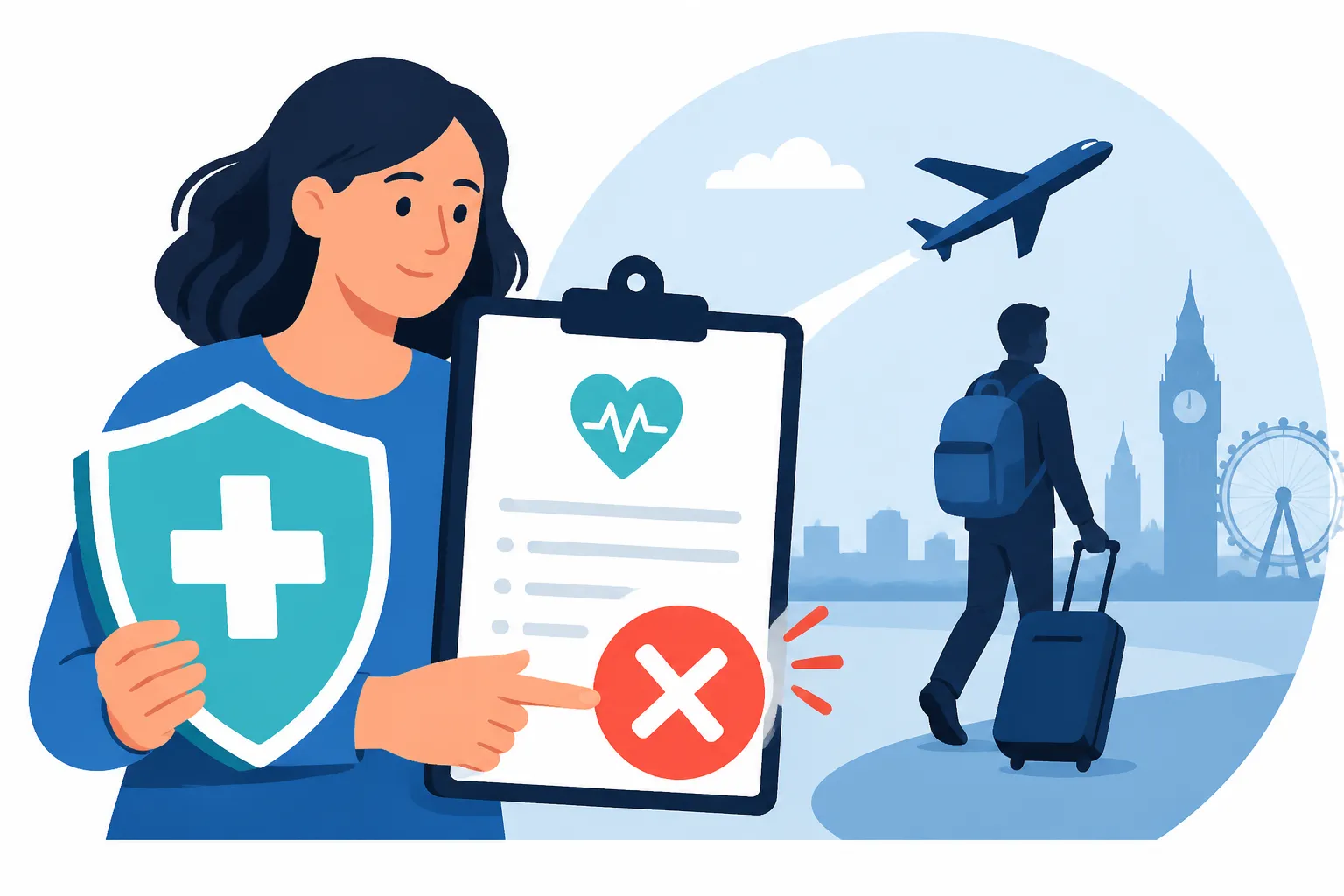
So, you’ve decided to move on from the UK – perhaps to new horizons, back home, or to another exciting chapter. Amidst the flurry of packing, saying goodbyes, and wrestling with visa paperwork, cancelling your private health insurance might feel like just another tedious chore on an ever-growing list. But trust me, as someone who's done this dance more times than I care to admit, getting it right now will save you a headache later. This guide is here to walk you through the practical, no-nonsense steps to smoothly cancel your private health insurance before you bid farewell to British shores.
Understanding Your Private Health Insurance Policy When Leaving the UK
Before you even think about picking up the phone or drafting an email, the very first thing you need to do is get intimately reacquainted with your private health insurance policy documents. I know, I know – reading insurance small print is about as exciting as watching paint dry, but this step is absolutely crucial. These documents hold the keys to understanding your rights and obligations when it comes to cancellation.
Reviewing Your Policy Terms and Conditions
Every private health insurance policy is a unique beast, and what applies to one might not apply to another. When you first signed up, you probably skimmed over the cancellation clauses, thinking you’d never need them. Well, now’s the time to dig them out. Look for sections titled 'Termination,' 'Cancellation,' 'Exiting the Policy,' or similar. These sections will outline the specific conditions under which you can cancel your cover.
For example, some policies might allow for immediate cancellation if you're leaving the country permanently, while others may require a specific notice period regardless of your circumstances. You might have been on a comprehensive plan like those offered by Bupa or AXA Health, which tend to have detailed terms. If you're a bit lost on the general landscape of what these policies offer, our guide on Health Insurance in the UK: Private Cover and Options Explained could give you a refresher on the typical structures. It’s also worth considering how your private plan stacks up against NHS vs Private Healthcare in the UK: Which Should Expats Choose?.
Identifying Cancellation Clauses and Notice Periods
Pay very close attention to any mention of notice periods. This is where many expats get caught out. Some policies demand a full calendar month's notice, meaning if you inform them on the 15th of October that you want to cancel, your policy might not officially end until the 30th of November. Planning your cancellation around these dates is vital, especially if you have a hard departure date.
It's not uncommon for policies to automatically renew unless you explicitly state otherwise. Imagine leaving the UK, thinking you're all squared away, only to find months later that premiums are still being deducted from your account because you missed a renewal deadline. This is a common and incredibly frustrating scenario that you want to avoid at all costs. Always check when your current policy term officially ends and work backwards from there.
Potential Penalties or Fees for Early Cancellation
Ah, the hidden nasties! Some private health insurance providers include clauses that stipulate penalties or administrative fees for cancelling a policy mid-term, particularly if you're on an annual contract that you're breaking early. These fees are usually detailed within the cancellation section of your policy document.
While not all policies impose these, it's essential to be aware of the possibility. If you've paid for a full year upfront, for instance, you might expect a pro-rata refund for the unused months. However, some insurers might deduct a cancellation fee from this refund. Knowing this upfront means you won't be surprised, and you can factor any potential costs into your moving budget. Don’t just assume you’ll get a full refund for any unused period; verify it in your policy or by speaking directly with your provider. This can be particularly annoying if you've already paid a hefty sum, as you might have done if you initially bought How to Buy Private Health Insurance as a Newcomer in the UK.
The Step-by-Step Process to Cancel Your UK Private Health Insurance
Once you've done your homework and understand the ins and outs of your policy, it's time to take action. This isn't a race, but a carefully choreographed dance that requires precision to ensure a clean break without any lingering charges or surprises.
Gathering Necessary Documentation
Before you make contact, have everything you need at your fingertips. This will make the process much smoother and prevent frustrating back-and-forth delays. You'll typically need:
- Your policy number: This is paramount. It identifies your specific insurance contract.
- Your personal details: Full name, date of birth, current UK address, and any previous addresses if they are linked to the policy.
- Proof of your departure (if required): While not always mandatory, some providers might ask for evidence that you are indeed leaving the UK, especially if there's a specific "leaving country" clause that bypasses notice periods or fees. This could be a copy of your flight ticket, visa cancellation, or new address abroad.
- Your new contact details: A foreign address, email, and phone number where you can be reached after you leave, in case there are any follow-up questions or refund processing issues.
- Bank account details: For any potential refunds. Ensure this is an account you can still access after leaving the UK.
Having these prepared in advance will save you time and frustration during the call or correspondence.
Contacting Your Provider: Methods and What to Say
Most private health insurance providers offer several ways to cancel your policy, and it's always best to use the method that leaves you with a clear paper trail.
1. Phone Call (followed by email):
Start with a phone call. This allows you to speak directly with a representative, ask specific questions about your policy's cancellation terms, and get immediate answers. Be prepared for them to try and retain your business, but politely stand firm. Clearly state that you are leaving the UK permanently and wish to cancel your policy as of a specific date, keeping in mind any notice periods.
Immediately after the call, send a follow-up email to the provider, summarising the conversation. Include:
- The date and time of your call.
- The name of the representative you spoke with.
- Your policy number.
- Your clear intention to cancel and the agreed-upon cancellation date.
- Confirmation of any refund amounts discussed and how/when they will be processed.
- Your new contact details.
This email serves as your written record, protecting you against any future disputes.
2. Written Communication (email or letter):
If you prefer, or if a phone call isn't an option, a formal email or letter is perfectly acceptable. Again, ensure all essential details are included: policy number, your personal information, the exact date you wish the policy to end, and your reason for cancellation (leaving the UK). Request written confirmation of your cancellation and details of any refund. If sending a physical letter, consider using recorded delivery for proof of postage.
When dealing with major providers like Bupa or Vitality, they typically have dedicated customer service lines or online portals for managing your policy. If you’re unsure about the specifics of your plan, reviewing Understanding Private Health Insurance Plans in the UK might offer insights into common practices.
Confirming Your Cancellation and Refund Process
This is the golden step. You must receive explicit, written confirmation from your provider that your policy has been cancelled and on what date. Do not assume it's done just because you've made a request. This confirmation is your absolute proof.
If you are due a refund for any unused premiums, ensure the confirmation details the amount of the refund and the expected timeframe for its processing. Keep an eye on your bank account for this refund. If it doesn't arrive within the stipulated period, follow up immediately with your provider, referencing your cancellation confirmation. You might have already gone through the process of How to Claim on Your Private Health Insurance in the UK, so you’ll know how important clear communication and documentation are.
It’s also important to consider if your current bank account will still be active or accessible once you’ve moved abroad. If not, arrange for the refund to be sent to an international account or an account of a trusted family member who can forward it to you. This might sound like a small detail now, but chasing a refund from another country can be a monumental pain if you haven’t planned ahead.
| Step | Action | Key Information Needed | Expected Outcome |
|---|---|---|---|
| 1. Policy Review | Read T&Cs, identify cancellation clauses, notice periods, potential fees. | Policy document, effective dates. | Clear understanding of cancellation rules. |
| 2. Document Gathering | Collect policy number, personal ID, proof of departure (if needed), new contact/bank details. | Personal ID, travel documents, new address. | All info ready for communication. |
| 3. Contact Provider | Phone call (follow up with email) or formal written communication. | Policy number, desired cancellation date. | Verbal/written cancellation request. |
| 4. Confirmation | Obtain written confirmation of cancellation and refund details. | Email/letter from provider. | Proof of cancellation, refund expectation. |
| 5. Monitor Refund | Check bank account for refund within specified timeframe. | Bank statements. | Successful receipt of refund. |
What to Consider After Cancelling Your Policy
The cancellation is just one piece of the puzzle. Once your UK private health insurance is off your plate, you need to think about what comes next, both in the short term and for your future health coverage. This foresight will prevent you from being caught without crucial medical protection.
Bridging the Gap: Travel Insurance and Short-Term Cover
There's often a period of transition between leaving the UK, arriving at your new destination, and establishing new health coverage. This is a critical time when you're vulnerable. For instance, if you're taking a leisurely trip home, or spending a few weeks settling in a new country before your employer's health plan kicks in, what happens if you have a medical emergency? This is where travel insurance or short-term international health coverage becomes incredibly important.
Many standard travel insurance policies offer good emergency medical cover while you're in transit or on holiday. However, if your "gap" period is longer or you have specific medical needs, a dedicated short-term international health insurance might be more appropriate. Companies like SafetyWing, for example, offer travel medical insurance designed for digital nomads and long-term travellers, which can cover you globally for a flexible period. This kind of plan can be a lifesaver, covering unexpected illnesses or accidents before you're fully set up with a new long-term plan. Don't risk being uninsured for even a few days; accidents don't check your policy dates. If you're pondering how to handle medical situations abroad, our guide on How to Handle a Medical Emergency While Travelling from the UK provides some essential reading.
Health Coverage in Your Next Destination
One of the biggest mistakes expats make is to leave the UK without a clear plan for health coverage in their next country. Whether you're moving to a country with a robust public healthcare system, or one where private insurance is almost mandatory, you need to have a strategy.
Research the healthcare system of your new home before you arrive. Will you be eligible for public healthcare? If so, what are the registration requirements and waiting periods? Do you need to apply for a local health card or number? If public healthcare isn't an option, or if you prefer private care, start looking into local insurance providers or international health insurance options that cover your new region. Understanding how health insurance works in your new country can be as complex as learning How the NHS Works: Public Healthcare in the UK Explained (2027), so prepare accordingly. Some international private health insurance providers, like SafetyWing, offer plans that can transition from travel medical to more comprehensive long-term coverage, depending on your needs and where you're headed.
Understanding Tax Implications for Premiums and Refunds
While less common, it's worth a quick thought: were your private health insurance premiums tax-deductible in the UK, or did you receive any tax relief on them? For most individuals, private health insurance premiums are paid from after-tax income, so there are generally no tax implications when you cancel.
However, if your employer provided the private health insurance as a benefit-in-kind, there might be slight adjustments in your final pay packet or tax declarations. Similarly, if by some rare chance you received a significant refund, it's worth checking if any tax liability arises, though this is very unusual for personal private health insurance. If you have any doubts about your tax situation as an expat, especially when dealing with financial matters related to leaving the country, consulting a tax advisor or checking HMRC guidance on The Complete Guide to Taxes in the UK for Expats (2027) is always a wise move.
Common Challenges and How to Overcome Them
No administrative task is ever truly straightforward for an expat, is it? Cancelling private health insurance can sometimes throw up unexpected hurdles. But fear not, my friend, with a bit of savvy and persistence, you can navigate these bumps in the road.
Dealing with Unresponsive Providers
It’s happened to the best of us: you call, you email, you wait, and… crickets. An unresponsive insurance provider can be incredibly frustrating, especially when you're trying to tie up loose ends before leaving the country.
- Be Persistent: Don't give up after one attempt. Keep a log of every call, email, and interaction, including dates, times, and the names of anyone you speak to.
- Escalate: If you're not getting a response from the general customer service line, ask to speak to a supervisor or someone in the cancellations department directly.
- Formal Complaint: If all else fails, consider filing a formal complaint. Most insurance companies have a complaints procedure outlined on their website. If that doesn't resolve it, you can escalate it further to the Financial Ombudsman Service in the UK, which resolves disputes between consumers and financial services firms. Just be aware that this process can take time.
- Social Media: Sometimes, a polite but firm message on the company's public social media channels (e.g., X or Facebook) can elicit a surprisingly quick response from their customer service team, who are often keen to resolve issues publicly.
Remember, the paper trail you've built (emails, call logs) is your best friend here. It provides concrete evidence of your attempts to cancel.
Navigating Refund Disputes
You've cancelled your policy, you're due a refund, but the amount is wrong, or it simply hasn't arrived. This is another common challenge that can cause unnecessary stress.
- Re-read Your Policy: First, go back to your policy documents. Did you fully understand the refund terms? Were there any cancellation fees you overlooked? Double-check your initial payment dates and the cancellation date.
- Provide Evidence: Present all your documented evidence: the cancellation confirmation email, your call logs, and a clear breakdown of why you believe the refund amount is incorrect.
- Challenge Politely but Firmly: Clearly explain the discrepancy and ask for a recalculation or explanation. If the refund is simply missing, provide bank statements showing it hasn't been received.
- Escalate as Necessary: Similar to unresponsiveness, if direct communication doesn't resolve the refund issue, follow the formal complaints procedure and consider the Financial Ombudsman Service if needed.
Having an international health insurance provider like SafetyWing that prioritises clear communication and transparent processes can really highlight how frustrating it is when other providers fall short.
Ensuring All Dependents Are Covered (or Uncovered)
If your private health insurance policy covered your family members, it's crucial to ensure their coverage (or cancellation) is handled correctly too. This isn't just about cancelling their names off the UK policy; it’s about making sure they have continuous, appropriate health coverage wherever they are going next.
- Confirm Individual Cancellation: When cancelling your policy, explicitly ask for confirmation that all dependents listed on the policy are also cancelled effective the same date.
- New Coverage for Family: Just like for yourself, research and arrange health coverage for your dependents in your new country. This might involve enrolling them in a new local plan, adding them to an international private health insurance policy, or ensuring they're eligible for the public system. Don't leave this to chance – a child getting sick without cover in a new country is a nightmare you want to avoid. Our guide on How to Add Dependants to Your Private Health Insurance in the UK covers how this works when setting up, and the cancellation process should mirror that same attention to detail.
Leaving the UK is a big step, and managing all the administrative tasks can feel overwhelming. By tackling your private health insurance cancellation methodically and with careful attention to detail, you can ensure one less thing to worry about as you embark on your next adventure.
Disclaimer
Please remember that this guide provides general information based on common practices. Individual circumstances and insurance policy terms can vary significantly. It is always recommended to consult your specific policy documents or contact your insurance provider directly for precise advice regarding your coverage and cancellation. For complex situations, particularly involving tax or legal matters, seeking professional advice is highly recommended.