What Is the Best Way to Get Around London Without a Car?
Arriving in London as an expat, one of the first things you’ll notice is the sheer volume of traffic, and frankly, the sheer impossibility of driving and parking in many areas. Trying to navigate this sprawling metropolis with your own car is often more trouble than it’s worth – from the Congestion Charge to exorbitant parking fees and endlessly complex one-way systems. But don't despair! You absolutely can thrive here without a vehicle, and in fact, for most Londoners, it's the only sensible way to live. This guide will walk you through the very best ways to get around London, helping you embrace car-free living and make the most of this incredible city.
Navigating London's Public Transport Network
Ah, London's public transport – the lifeblood of the city, and simultaneously, the source of both immense gratitude and occasional exasperation for us expats! But once you get the hang of it, it's genuinely world-class. Forget the need for a car; the vast network of trains, tubes, and buses covers almost every inch of the capital.
The Iconic London Underground The Tube
Let's be honest, the Tube is probably what first comes to mind when you think of London transport. This intricate web of underground lines, each colour-coded and with its own personality, is incredibly efficient for getting you across town quickly. You'll hear the familiar "mind the gap" countless times, and you'll quickly learn which lines are stiflingly hot (hello, Central Line!) and which offer a little more breathing room.
Operating across 11 lines, the Tube connects key areas from north to south, east to west. For instance, if you're trying to get from the bustling West End to the financial district of Canary Wharf, the Jubilee Line is your best friend. Navigating it initially can feel a bit like cracking a code, but modern apps like Citymapper or the official TfL Go app make it a breeze. Just input your destination, and it'll tell you exactly which line to take, where to change, and how long it'll be. Peak times, typically from 7:30 AM to 9:30 AM and 5:00 PM to 7:00 PM on weekdays, can be incredibly crowded, especially on central lines. If you can, try to travel just outside these hours for a slightly more pleasant experience.
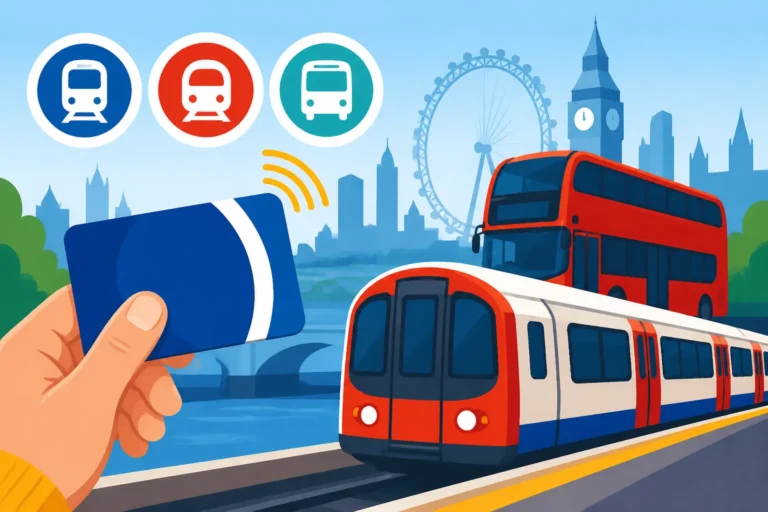
One of the biggest game-changers for expats is understanding payment. Gone are the days of needing to buy paper tickets for every journey. You can simply use your contactless debit or credit card, or even your phone or smartwatch, directly at the gate. This is incredibly convenient as it automatically caps your fare at the daily or weekly travelcard rate, ensuring you don't overpay. For those who prefer a dedicated transport card, an Oyster Card is another fantastic option, especially if you want to load it with a specific travelcard or top-up credit. Just make sure you touch in and touch out at the beginning and end of every journey to avoid maximum fares!
London's Extensive Bus Network
While the Tube dives beneath the city, the red double-decker buses give you a front-row seat to London's vibrant street life. If you're not in a hurry and want to take in the sights, the bus is often a more charming and economical choice. They're also brilliant for shorter journeys where a Tube station might be a bit out of the way, or for traversing areas not served by the Underground.
London's bus network operates 24/7 on many routes, providing a lifeline for late-night revellers and early morning commuters alike. Payment is exactly the same as the Tube: contactless bank card, phone pay, or Oyster card. Cash is not accepted on London buses, so don't get caught out! Planning your bus journey is also made easy with the same apps like Citymapper and TfL Go, which provide real-time updates on bus arrivals. You'll quickly discover favourite routes that become part of your daily rhythm. For example, hopping on a number 9 bus from Trafalgar Square to Kensington can feel like a mini-tour, passing iconic landmarks.
The main drawback of buses is, of course, traffic. London is a busy city, and buses are subject to the whims of gridlock. What might look like a 20-minute journey on paper can easily stretch to 45 minutes during rush hour. However, for sheer convenience and the joy of seeing the city unfold outside your window, they're unbeatable. This comprehensive Understanding the Tube, National Rail and Bus Networks in the UK will give you an even deeper dive into how these systems interlink.
Overground, DLR, and National Rail Services
Beyond the immediate central London Tube network, you’ll find other crucial rail services that seamlessly integrate. The London Overground, easily identifiable by its orange roundel, is a fantastic network that circles inner and outer London, connecting many residential areas without needing to go through the often-busy central Tube lines. It’s perfect for getting from, say, Shoreditch to Clapham without a lengthy cross-town trek.
Then there's the Docklands Light Railway (DLR), a modern, driverless train system that serves East London, particularly the buzzing financial district of Canary Wharf and areas leading out to Stratford. The DLR offers stunning views as it weaves above ground, a nice change from the subterranean Tube. It’s also incredibly efficient and often less crowded than its underground counterpart.
Finally, National Rail services link London to its vast commuter belt and beyond. Major stations like King's Cross, Waterloo, Paddington, and London Bridge are hubs for these services. If you live slightly outside the immediate London boroughs, a National Rail train will likely be your primary mode of transport into the city. All these services – Overground, DLR, and most National Rail lines within the TfL zones – accept contactless payment and Oyster cards, making transitions incredibly smooth. The integrated ticketing system means you can usually switch between these modes without buying a separate ticket, which is a huge relief when you’re just trying to get home after a long day at work, perhaps after navigating the complexities of The Complete Guide to Working in the UK as a Foreigner (2027).
Embracing Active Travel Walking and Cycling
Sometimes the best way to get around London isn't on rails or roads, but on your own two feet, or two wheels. London is surprisingly walkable and becoming increasingly bike-friendly, offering fantastic ways to see the city up close while also getting some exercise.
Walking The Best Way to Experience London
Hands down, walking is often the most underrated, yet undeniably the best, way to experience London, especially for an expat trying to truly get to know their new home. You'll discover hidden alleyways, charming garden squares, independent shops, and breathtaking street art that you'd zoom right past on a bus or miss entirely underground. It's free, it's healthy, and it allows you to truly soak in the atmosphere of each neighbourhood.
For instance, a walk from Westminster down to Borough Market along the South Bank offers continuous stunning views of Parliament, the London Eye, and St Paul's Cathedral. Or, explore the vibrant streets of Shoreditch, where every corner seems to hold a new discovery. You might be surprised how often walking is just as quick, if not quicker, for journeys under 20-30 minutes when you factor in waiting for transport and navigating stations.
Of course, a good map app is essential. Google Maps and Citymapper are excellent, providing estimated walking times and highlighting points of interest. Make sure your phone's data plan is robust enough for constant navigation; using an eSIM from providers like Airalo can be a lifesaver for reliable, affordable connectivity, ensuring you never get lost down a charming but unfamiliar street. Always wear comfortable shoes – London is a city of endless pavements!
Cycling Through the City
Over the past decade, London has made significant strides in becoming a cycling-friendly city. With a growing network of dedicated cycle lanes, quiet back streets, and an abundance of rental schemes, getting around on a bike is a viable and increasingly popular option. For many expats, it’s a brilliant way to cut down on commuting costs and stay fit. You might even find it's faster than the Tube for certain cross-town journeys during peak hours.
The most accessible option for casual cycling is the Santander Cycles scheme, affectionately known as "Boris Bikes" after the former mayor who introduced them. You can pick up and drop off these sturdy bikes at hundreds of docking stations across central London. Payment is typically a flat fee for unlimited rides under 30 minutes within a 24-hour period, or a smaller fee per ride. For longer-term use, there are many independent bike rental shops, or you might consider buying your own. There are also dockless e-bike schemes like Lime and HumanForest, which can be picked up and dropped off almost anywhere via an app.
While cycling offers freedom and speed, it’s important to be aware of road safety. Always wear a helmet, follow traffic laws, and be visible, especially at night. Investing in good lights is crucial. Cycle superhighways and Quietways (routes using quieter back streets) provide safer routes, but you'll still be sharing the road with cars, buses, and lorries. Many expats ask Is It Worth Owning a Car in London? and the simple answer is, for most, cycling offers a far more practical and enjoyable alternative without the headache of parking permits, insurance, and the dreaded Congestion Charge. If you are serious about cycling, joining a local cycling group can also help you discover safe routes and connect with fellow enthusiasts.
Other Convenient Transport Options
While public transport, walking, and cycling will cover the vast majority of your London adventures, there are times when you need an alternative – perhaps for a late-night journey, carrying heavy luggage, or simply when you fancy a bit more comfort.
Taxis and Ride-Sharing Services
London's iconic Black Cabs are a symbol of the city for a reason. Driven by "The Knowledge" certified drivers, they are renowned for their safety, professionalism, and encyclopaedic knowledge of London's streets. You can hail a Black Cab directly from the street (look for the orange "TAXI" light), find them at designated ranks, or book them via apps like FreeNow. They are metered and generally more expensive than ride-sharing services, but their reliability and the driver's expertise are often worth the premium, particularly if you're unfamiliar with an area or need to ensure you reach your destination without fuss.
For a more budget-friendly and app-based alternative, ride-sharing services like Uber, Bolt, and FreeNow (which also includes Black Cabs) are widely used. These allow you to book a private car directly from your phone, see the fare upfront, and track your driver's arrival. They are incredibly convenient for door-to-door service, especially during off-peak hours or when you're carrying a lot of shopping. Just be aware of surge pricing during busy periods or bad weather, which can make them surprisingly expensive. Always confirm the car and driver details match your app before getting in.
Electric Scooters and Car Clubs
Electric scooters have made their debut in London, initially through trial schemes in specific boroughs. These rental e-scooters, provided by operators like Lime, Dott, and Tier, can be a fun and fast way to cover shorter distances. They're typically activated and paid for via an app, and you generally need to be over 18 with a provisional or full driving licence. However, it’s crucial to know that privately owned e-scooters remain illegal to use on public roads and pavements in the UK, so stick to the legal rental ones!
For those moments when a car truly is necessary – perhaps for a weekend trip outside the city, a large grocery shop, or an errand where public transport simply won't do – car clubs like Zipcar and Enterprise Car Club offer a brilliant solution. These services allow you to rent a car by the hour or day, with vehicles parked in designated bays across the city. You simply book through an app, unlock the car with your phone, and drive. It gives you all the flexibility of having a car without the astronomical costs and hassle of ownership in London, such as insurance, maintenance, and finding parking. For this, you’ll naturally need a driving licence, and understanding How Do I Get a UK Driving Licence? will be important if your foreign licence isn't valid for long-term use.
Practical Tips for Car-Free Living in London
Living without a car in London might seem daunting at first, especially if you're from a car-centric country. But with a few insider tips and tricks, you'll become a master of urban mobility, save money, and probably be healthier too.
Essential Apps and Payment Methods
Your smartphone is your best friend for navigating London without a car. Top of the list are Citymapper and TfL Go. Citymapper is particularly brilliant, offering comprehensive routing options across all modes of transport, including real-time delays, alternative routes, and even how many calories you’ll burn walking. TfL Go is the official app from Transport for London, great for live Tube and bus updates. Google Maps is, of course, a strong contender for general navigation. Having reliable mobile data is key for these apps – think about getting a local SIM card or using an international eSIM like Airalo to ensure you're always connected.
As for payment, contactless is king. Most modern debit and credit cards, as well as Apple Pay and Google Pay on your phone or smartwatch, work seamlessly across the Tube, Overground, DLR, and buses. It's usually the cheapest way to pay as it automatically applies daily and weekly caps. If you prefer, an Oyster Card can be purchased and topped up at any Tube station or Oyster retail outlet. You just tap it on the yellow reader at the start and end of your journey. Remember, contactless payment makes your journey transparent and typically ensures you pay the correct fare without needing to calculate complex zones.
Cost-Saving Strategies and Commuting Hacks
London can be an expensive city, and transport costs can quickly add up if you’re not savvy. Planning is key. If you commute regularly, consider a weekly or monthly Travelcard loaded onto your Oyster. This can significantly reduce costs compared to paying per journey, especially if you travel during peak hours. Always check if you can travel during off-peak times (outside of 6:30 AM to 9:30 AM and 4:00 PM to 7:00 PM on weekdays) as fares are generally lower.
For shorter distances, embrace walking! Many popular areas are surprisingly close to each other. For example, walking from Covent Garden to Leicester Square or even Piccadilly Circus takes mere minutes and avoids crowded Tube journeys. This is often What Is the Cheapest Way to Commute in London and helps you discover more. Also, cycling with a Santander Cycle or an e-bike rental for short hops can save you money and time. Think strategically about where you live in relation to your work or regular activities. Often, living slightly further out but on a well-connected Tube or Overground line can offer a better quality of life and lower rental costs, balancing out slightly longer commutes. For a general overview of expenses, it's worth checking out How Much Is the Cost of Living in the UK for Expats? to see how transport fits into the bigger picture.
Moving Day Logistics and Larger Items
One of the biggest anxieties for expats moving to London without a car is "How do I move my stuff?!" or "What if I need to buy a new sofa?" This is where good planning and local services come into their own. For your initial big move, especially if you're shipping personal belongings from abroad, using an international moving service is highly recommended. Companies like Sirelo can connect you with reliable movers who understand the complexities of international relocation and door-to-door delivery in London, bypassing any need for you to coordinate large-scale transport yourself. They'll ensure your possessions arrive safely, allowing you to settle in without logistical nightmares.
For buying larger items once you're here, most furniture stores (like IKEA, John Lewis, or smaller independent shops) offer delivery services, often for a reasonable fee. For second-hand purchases or items from places without delivery, services like TaskRabbit or local "man with a van" options (search online or ask in local community groups) are plentiful and can be booked for specific dates and times. Don't be afraid to ask for help; London has an extensive service economy ready to assist with logistics, making The Complete Guide to Moving to the UK: Your First 90 Days (2027) much smoother.
It’s also important to remember that London homes are often smaller, and spaces can be tight. Thinking about this before you buy large items can save you a lot of hassle. And if you’re thinking about getting a parking permit for a phantom car, save yourself the trouble and check out How Do I Get a Residents Parking Permit in the UK? – you probably won't need one!
Here's a quick comparison of London transport options:
| Mode of Transport | Pros | Cons | Best For | Cost (approx.) |
|---|---|---|---|---|
| London Underground (Tube) | Fast, extensive network, good for long distances | Can be crowded, hot, expensive at peak, no views | Quick city-wide travel, avoiding traffic | £2.80-£6.70 per journey |
| Buses | Scenic, cheaper, 24/7 on many routes | Slower due to traffic, less direct routes | Shorter journeys, sightseeing, late-night | £1.75 per journey |
| Overground/DLR | Efficient, often less crowded than Tube | Limited network compared to Tube | Connecting outer boroughs, East London | £1.75-£5.00+ per journey |
| National Rail | Connects London to commuter towns and beyond | Primarily for longer journeys | Commuting from outside London, day trips | Varies widely |
| Walking | Free, healthy, best for sightseeing, flexible | Can be slow for long distances, weather-dependent | Short-medium distances, exploring neighbourhoods | Free |
| Cycling | Fast for medium distances, healthy, scenic | Safety concerns, weather-dependent, theft risk | Medium distances, active commuting | £1.65+ (rental) |
| Black Cabs | Door-to-door, knowledgeable drivers, safe | Expensive | Urgent trips, late nights, special occasions | £10-£50+ |
| Ride-Sharing (Uber/Bolt) | Convenient, app-based, cheaper than Black Cabs | Surge pricing, less regulated | Door-to-door convenience, group travel | £8-£40+ |
Costs are approximate for a single journey and can vary based on distance, time of day, and specific zones.
Disclaimer
The information provided in this guide is intended for general informational purposes only and does not constitute professional advice. While we strive to ensure the information is up-to-date and accurate, transport systems, regulations, and costs in the UK can change. Always consult official Transport for London (TfL) sources or other relevant authorities for the most current information. We recommend exercising personal judgment and caution, especially regarding personal safety while traveling.