Understanding Private Health Insurance Plans in the UK
Many expats arrive in the UK expecting the National Health Service to handle everything, only to be met with the harsh reality of record-long waiting lists for non-emergency procedures and specialist consultations. This guide solves the confusion around private medical insurance by breaking down how these plans supplement the NHS, what they cost, and how to choose a policy that prevents you from being stuck in a months-long queue for essential care.
The Landscape of Private Healthcare in the UK
When you first move to the UK, the concept of "going private" can feel a bit redundant because you are already paying for the NHS through your taxes and the Immigration Health Surcharge. However, the UK operates a unique dual-track system. Private healthcare is not a replacement for the NHS; rather, it is a parallel system designed to offer faster access, more comfort, and a wider choice of specialists. Understanding this distinction is the first step in Navigating the UK Healthcare System: An Expat's Roadmap (2027).
The NHS-Private Symbiosis
The NHS is truly world-class when it comes to emergency medicine and chronic disease management. If you are in a car accident or suffer a heart attack, you want to be in an NHS A&E (Accident & Emergency) department. Private hospitals in the UK often lack the intensive care facilities required for major trauma. Because of this, private health insurance is primarily used for "elective" treatments—things like hip replacements, cataract surgeries, or diagnostic scans for persistent pain.
Most private consultants in the UK actually spend the majority of their time working for the NHS. They might see private patients in the evenings or on weekends at facilities like Spire or Nuffield Health. This means that by going private, you aren't necessarily getting a "better" doctor, but you are getting much faster access to that doctor’s expertise. It is worth Understanding the Difference Between NHS and Private Hospitals in the UK to manage your expectations regarding what each can provide.
Why Expats Often Feel the Need for Private Cover
For many foreigners, the UK’s wait times for "routine" specialist referrals can be a shock. In many other countries, seeing a dermatologist or an ENT specialist takes a week or two; in the UK, the wait on the NHS can stretch to six months or even a year for non-urgent cases. This is where private insurance becomes a lifesaver. It allows you to bypass these queues and receive a diagnosis within days.
Furthermore, private insurance often covers "boutique" drugs or treatments that the NHS considers too expensive or not cost-effective. If you have a specific medical preference or want a private room with a TV and a dedicated menu during a hospital stay, private insurance is the only way to guarantee that. For those who travel frequently or are still in the process of relocating, looking at flexible options like SafetyWing can provide a temporary bridge while you research permanent UK-based insurers.
Types of Private Health Insurance Plans
Not all private health insurance policies are created equal. In the UK, plans are generally categorized by the depth of coverage they provide. Choosing the wrong one could leave you with a massive bill for a diagnostic test that you thought was covered. It is essential to weigh NHS vs Private Healthcare in the UK: Which Should Expats Choose? based on your specific health needs and budget.
Comprehensive vs. Basic Coverage
A "Basic" or "Standard" policy typically covers inpatient treatments. This means if you are admitted to a hospital for surgery, the insurance pays for the surgeon, the anaesthetist, the hospital room, and the medicines used during your stay. However, basic plans often exclude outpatient care. If you need to see a specialist for a consultation or require a diagnostic scan (like an MRI) but don't need to be admitted to a hospital bed, a basic plan will leave you paying out of pocket.
Comprehensive plans, on the other hand, include outpatient cover. This is the "gold standard" for expats because it covers the entire journey from the initial consultation to the follow-up appointments after surgery. While the premiums are higher, the peace of mind of knowing that a £400 consultation fee is covered is often worth the extra monthly cost. When starting your search, it helps to spend time Understanding Private Health Insurance Plans in the UK to see which tier fits your lifestyle.
International Health Insurance vs. Local UK Plans
If you are an expat who travels often or splits time between the UK and another country, a local UK-only plan might be too restrictive. Local plans from providers like Bupa, AXA, or Vitality are designed strictly for treatment within British borders. If you fall ill while visiting family back home or on a business trip in Europe, these plans won't help you.
International Private Medical Insurance (IPMI) is a more robust, albeit more expensive, option. These plans are designed for global citizens and offer coverage across multiple countries. For digital nomads or those who haven't yet committed to a permanent address in the UK, a provider like SafetyWing offers international health cover that can be managed entirely online. This is particularly useful if you are still waiting for your BRP and need to know How to Get an NHS Number in the UK before you can even register with a local doctor.
Inpatient vs. Outpatient Focus
The distinction between inpatient and outpatient care is the most common point of confusion for newcomers. Inpatient care refers to any treatment that requires a hospital bed, even for a few hours. Outpatient care refers to consultations, diagnostic tests, and therapies (like physiotherapy) that do not require hospital admission.
Many people choose a "mid-range" plan that offers full inpatient cover but puts a "cap" on outpatient spending (e.g., £500 or £1,000 per year). This is a strategic way to keep premiums low while still having some protection for the expensive diagnostic phase of a medical issue. If you are a freelancer or business owner, Understanding Health Coverage for the Self-Employed in the UK will reveal that these capped outpatient plans are very popular for balancing cost and risk.
Understanding Costs and Premiums
Pricing for health insurance in the UK is highly individualized. Unlike the NHS, which is funded through the Immigration Health Surcharge (IHS) and NHS Access (2026), private insurance companies price their policies based on the likelihood that you will make a claim.
Factors Influencing Your Monthly Premium
Age is the primary driver of cost. A 25-year-old expat will pay significantly less than a 55-year-old for the same level of cover. Location also plays a role; if you live in London, your premiums will be higher because the "central London hospitals" (the most prestigious and expensive in the country) will be included in your network.
Your lifestyle choices, such as whether you smoke, will also be scrutinized. Some UK insurers, like Vitality, offer "wellness" discounts where your premium decreases if you can prove you are active by syncing your smartwatch data. This can be a great way to save money if you are health-conscious. If you're wondering about the specific numbers, you should look into How Much Does Private Health Insurance Cost in the UK in 2026? to get a realistic baseline for your age group.
The Role of Excess and Deductibles
An "excess" is the amount you agree to pay toward your treatment before the insurance company kicks in. In the UK, you can usually choose an excess ranging from £0 to £5,000. Selecting a higher excess—say £500—will significantly lower your monthly premium.
There are two ways excess is typically applied in the UK: per claim or per year. A "per year" excess is generally better if you have a chronic issue that requires multiple visits. You pay the first £500 of your first claim, and then all subsequent claims for the rest of the policy year are covered 100%. If you are just looking for "catastrophic" cover while you rely on the NHS for minor things, a high excess plan combined with a flexible option like SafetyWing for travel can be a cost-effective strategy.
Moratorium vs. Full Medical Underwriting
When you apply for a plan, you have to choose how the insurer looks at your medical history. "Full Medical Underwriting" (FMU) requires you to disclose every medical issue you've ever had. The insurer then decides what to cover and what to exclude. This is more paperwork upfront but gives you total certainty about what is covered from day one.
"Moratorium" underwriting is more common and involves no medical questions at the start. Instead, the insurer simply excludes any condition you have had symptoms of or treatment for in the last five years. If you go two years without any symptoms or treatment for that condition after the policy starts, it may eventually be covered. This is often faster to set up but can lead to disputes during the claims process. This is a vital detail to grasp when Understanding Who Is Eligible for Free NHS Care in the UK versus what your private policy will actually pay for.
Choosing the Right Provider and Plan
With dozens of providers in the market, it can be overwhelming to decide where to put your money. The "Big Four" in the UK are Bupa, AXA Health, Aviva, and Vitality, but there are many smaller, specialized insurers that might offer a better deal for expats.
Evaluating the Network of Hospitals and Specialists
Every insurer has a "hospital list." This is a directory of the facilities where you are allowed to receive treatment. If you live in a rural area, a basic list might be fine. However, if you are in a major city, you want to ensure the list includes the top-tier private wings of famous NHS hospitals or dedicated private centres like the London Bridge Hospital.
Before signing a contract, check if your local private hospital is on the list. If it isn't, you might find yourself traveling two hours for a procedure that could have been done ten minutes away. This is particularly important for families who need to know How to Add Dependants to Your Private Health Insurance in the UK and want to ensure their children can be treated locally.
Specific Add-ons: Dental, Optical, and Mental Health
Most standard private medical insurance policies in the UK actually exclude dental and optical care. These are usually offered as "bolt-ons" for an additional fee. Given that finding an NHS dentist is notoriously difficult—as explained in How to Find an NHS Dentist Taking New Patients in the UK—adding dental cover to your private plan is often a wise investment.
Mental health coverage is another critical add-on. While the NHS provides mental health services, the wait times for talking therapies can be extremely long. Many private plans now offer "Digital GP" services that include a set number of counseling sessions per year. If mental health is a priority for you, ensure you check the specific limits on "psychiatric inpatient stays," as these are often capped even on comprehensive plans.
Comparison Table: Local vs. International vs. NHS
| Feature | NHS (Public) | Local Private (e.g., Bupa) | International (e.g., SafetyWing) |
|---|---|---|---|
| Cost | Included in Taxes/IHS | Monthly Premium (£40-£150+) | Monthly Premium (Variable) |
| Wait Times | Can be long (months/years) | Short (days/weeks) | Short (days/weeks) |
| GP Access | Assigned local surgery | Digital GP included | Choice of any doctor |
| Hospital Room | Shared ward (usually) | Private en-suite room | Private en-suite room |
| Global Coverage | UK Only (GHIC for Europe) | UK Only | Worldwide (except excluded zones) |
| Emergencies | Best for trauma/ER | Not for initial ER | Reimbursement based |
Navigating Claims and Consultations
Once you have your policy, the process of using it is very different from systems like the one in the United States. In the UK, the "GP is the gatekeeper," and this applies to private care as much as it does to the NHS.
The GP Referral Requirement
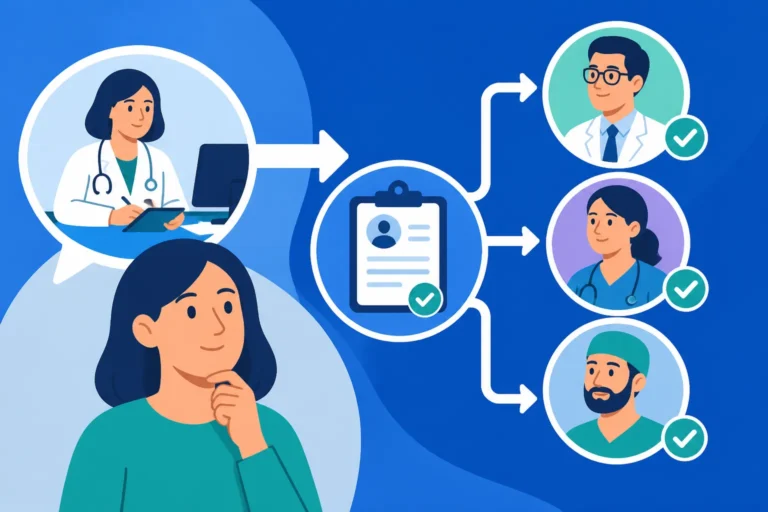
You cannot simply call a private specialist and book an appointment expecting your insurance to pay for it. Almost every UK insurer requires a GP referral letter before they will authorize private treatment. You can get this from your NHS GP, but many expats find it easier to use the "Private Digital GP" app provided by their insurer.
During the consultation, you must tell the doctor you have private insurance. They will then write an "open referral" (which allows you to choose any consultant) or a specific referral to a named specialist. This letter is your "golden ticket" to start the private claims process. If you haven't managed to register with a surgery yet, follow the steps in How to Register with an NHS GP After Moving to the UK so you have a backup for your digital service.
Pre-authorisation and Direct Settlement
Once you have your referral, you must call your insurance company before you see the specialist. This is called "pre-authorisation." They will check if the consultant is on their approved list and if the condition is covered. They will then give you a claim number.
Most major UK hospitals and consultants use "direct settlement," meaning they bill the insurance company directly. You won't have to pay a penny upfront, other than your agreed-upon excess. However, always double-check this with the consultant’s secretary. Some smaller private practices might ask you to pay and claim it back later. For those using international plans like SafetyWing, the process often involves paying upfront and uploading your receipts for reimbursement, which is a standard procedure for global travel and health cover.
Final Considerations for Newcomers
Buying health insurance is a long-term commitment. In the UK, switching providers can be tricky if you develop a chronic condition, as the new insurer will likely exclude anything you've already claimed for. It's often better to pick a solid provider and stick with them.
When to Stick with the NHS
Don't feel pressured to buy private insurance the moment you land. If you are young, healthy, and don't mind waiting a few weeks for a GP appointment, the NHS is more than capable. The system is specifically designed to handle everything for everyone, and Understanding What Is Covered by the NHS in the UK will show you that most essential care is totally free at the point of use.
Private insurance is a luxury that provides speed and comfort. If you are moving for a high-pressure job in the City and cannot afford to take weeks off work waiting for a diagnosis, then it becomes a necessity. Otherwise, take your time, use the NHS for a few months, and see if the service meets your needs. Many employers also provide private medical cover as a benefit, so check your employment contract before buying a personal policy.
Dealing with Pre-existing Conditions
This is the biggest hurdle for expats. If you have a chronic condition like diabetes or asthma, no private insurer in the UK will cover the "routine" management of that condition. You will have to rely on the NHS for your prescriptions and regular check-ups. Private insurance will only cover "acute" flare-ups or new, unrelated issues.
This is why the NHS is so vital. It provides a safety net that private insurance doesn't. You will still get your insulin or inhalers through the public system, often for a small fixed fee. Understanding NHS Prescription Charges and Exemptions in the UK is a must for anyone with a long-term condition, as it will likely be your primary way of getting medication even if you have the most expensive private plan in the world.
Health and Medical Disclaimer
The information provided in this guide is for general informational purposes only and does not constitute professional medical or financial advice. Healthcare regulations and insurance policy terms in the United Kingdom are subject to change. Always consult with a qualified insurance broker or medical professional regarding your specific circumstances. The authors and publishers are not responsible for any actions taken based on the content of this article.