Can I Get a Health Check as a Newcomer in the UK?
Moving to a new country is exhilarating, but let's be honest, it's also a whirlwind of logistics and anxieties. One big worry that often keeps expats up at night is, "What about my health?" Specifically, many of us wonder if we can just walk in and get a comprehensive health check-up like we might be used to back home. This guide is here to demystify health checks for newcomers in the UK, helping you understand how the system works and how you can proactively manage your well-being.
Understanding the Landscape: Health Checks for New Arrivals
When you first land in the UK, the concept of a routine, full-body "health check" might feel a bit different from what you're accustomed to. The National Health Service (NHS), while incredible for its universal access, operates on principles that prioritise need and evidence-based care. This means that a blanket annual physical, where you just show up for a general check, isn't typically part of the standard offering.
The NHS and Initial Access for Expats
First things first, let's talk about the NHS. It's the cornerstone of healthcare in the UK, providing comprehensive services to eligible residents, largely free at the point of use. For most expats on long-term visas, your access to the NHS is granted once you've paid the Immigration Health Surcharge (IHS) as part of your visa application. This payment is your ticket to utilising the NHS, much like a local resident.
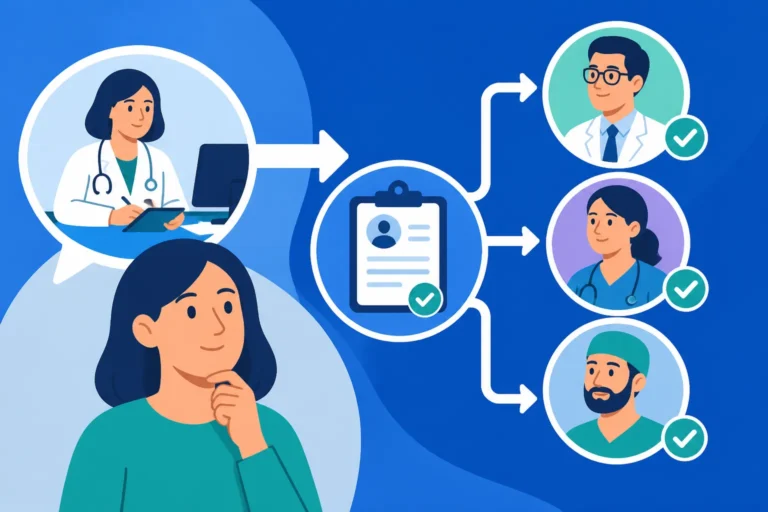
However, just because you've paid the IHS doesn't mean you automatically get a full health MOT the moment you arrive. The initial hurdle for many newcomers is simply getting registered with a local GP (General Practitioner) surgery. This is absolutely critical, as your GP is your gateway to virtually all NHS services, from prescriptions to specialist referrals. The process can sometimes feel a bit like wading through treacle, with proof of address and identity often being stumbling blocks for those new to the country. But persevere, because without a GP, your health journey here will be far more complicated. If you're wondering How the NHS Works: Public Healthcare in the UK Explained (2027), that guide will give you a much deeper dive into its structure. It's important to understand that your payment of the Understanding the Immigration Health Surcharge (IHS) and NHS Access (2027) directly underpins your eligibility.
What a "Health Check" Means in the UK Context
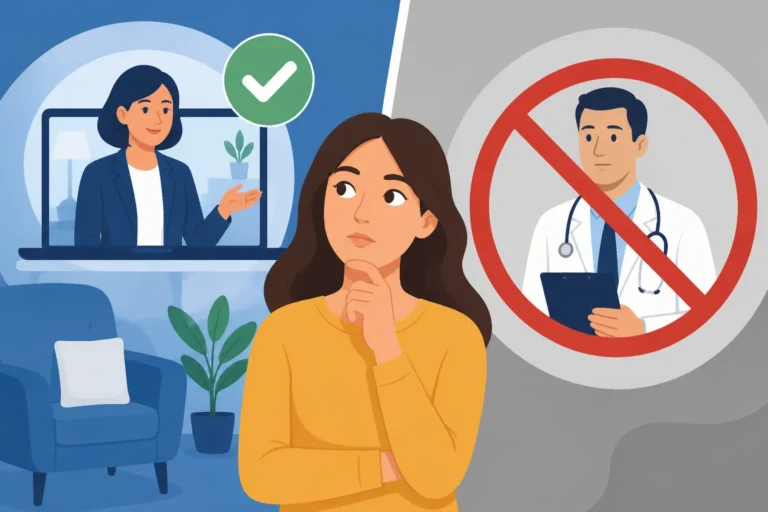
In many countries, an "annual physical" or a comprehensive "health check" is a standard preventative measure – a yearly appointment with your doctor to broadly assess your health. In the UK, the NHS generally doesn't offer this kind of routine, non-symptom-driven full health MOT for all adults. Instead, the focus is more on targeted screenings, health prevention programmes, and consultations driven by specific health concerns or symptoms you might have.
This can be a significant cultural shift for expats. You might find that if you book an appointment with your GP simply asking for a "full check-up," they might be puzzled. They'll typically ask what symptoms or concerns you have that are prompting this request. If you don't have a specific issue, they may advise that such a check isn't routinely offered. Instead, if you're over a certain age (typically 40-74 in England, with variations across the UK), you might be invited for an NHS Health Check, which assesses your risk of heart disease, stroke, kidney disease, diabetes, and dementia. This isn't a "full body scan" but a targeted assessment.
The underlying philosophy is that resources are best directed where there's an identified need or a high-risk group. This is where proactive communication with your GP becomes vital. You're not necessarily going to get a battery of tests without a reason, but you can certainly discuss any anxieties or specific health areas you wish to explore.
Visa Requirements and Specific Medicals
Before you even step foot in the UK, some visas require specific medical examinations. The most common example is the Tuberculosis (TB) test, which is mandatory for individuals applying for a UK visa lasting longer than six months from certain countries. This test must be carried out at a clinic approved by the Home Office in your home country.
These pre-visa medicals are not general health checks; they are specific screenings designed to prevent the spread of certain diseases within the UK. If your visa required a TB test, for example, the results are typically sent directly to UK Visas and Immigration (UKVI), and you'll receive a certificate to include with your application. This doesn't replace the need to register with a GP or address any other health concerns you might have once you arrive. You won't be asked to repeat this particular test unless there's a specific medical reason to do so later on. It’s crucial to understand that these specific visa-related medicals are entirely separate from any general health assessments you might seek once you're settled.
How to Proactively Address Your Health as a Newcomer
Even if the concept of a "health check" is different here, you absolutely can and should be proactive about your health in the UK. It just requires a slightly different approach, primarily centred around your GP.
Registering with a GP: Your First Port of Call
Honestly, this is the most important step for any newcomer to the UK when it comes to healthcare. Your GP is your primary healthcare provider and the gateway to almost every other NHS service. Without being registered with a GP surgery, you'll find it incredibly difficult to get routine prescriptions, see a specialist, or access any non-emergency care.
The process of Registering with a GP in the UK: The Complete Expat Guide (2027) involves finding a surgery close to your home that is accepting new patients. This can sometimes feel like a postcode lottery, especially in big cities. You'll typically need to fill out a registration form (GMS1), provide proof of identity (passport, BRP), and proof of address (utility bill, bank statement, tenancy agreement). Don't be surprised if they ask for more than one proof of address, or if the process feels a bit bureaucratic. It’s not personal, it’s just the system!
Once registered, your medical records from your home country won't automatically transfer over. This is why your first interaction with your new GP is so important. If you’re struggling with the logistics, our guide on How to Register with an NHS GP After Moving to the UK provides a step-by-step walkthrough to make it smoother. Take your time, gather your documents, and don't get discouraged if the first surgery you try isn't taking new patients – there are always other options nearby.
Initial Health Assessment with Your GP
Once you're successfully registered with a GP, you can (and absolutely should) book an initial appointment. This is your chance to discuss any general health concerns, ongoing conditions, or medications you're taking. This isn't usually framed as a "health check," but rather as an opportunity for your new GP to get to know your medical history and assess your needs.
Here’s what you should consider discussing:
- Existing Conditions: Inform your GP about any chronic conditions you have, such as diabetes, asthma, or high blood pressure. They’ll need to understand your history to manage your care effectively here.
- Current Medications: Bring a list of all your current prescriptions, including dosages. The UK uses generic names for many drugs, so having the active ingredient names is helpful. Your GP will need to decide if they can continue prescribing these or if alternatives are available. Prescriptions and Pharmacies in the UK: The Complete Guide can help you navigate this.
- Family History: Share any significant family medical history that might indicate a higher risk for certain conditions.
- Vaccination Status: Provide details of your past vaccinations, especially if you're moving from a country with different immunisation schedules.
- Any Lingering Concerns: This is your opportunity to bring up anything that has been bothering you, even if it seems minor. Perhaps you've been feeling unusually tired, or you're worried about a particular health risk given your lifestyle. The GP can then decide if any investigations or targeted tests are warranted based on your specific presentation.
Remember, your GP is there to listen and offer professional advice. Don't be afraid to voice your concerns or ask questions.
Leveraging Private Options for Comprehensive Checks
If you truly want a comprehensive, executive-style health check that goes beyond what the NHS typically provides without a specific medical indication, private healthcare is your route. Many private clinics and hospitals across the UK offer a range of "health assessment" packages. These often include extensive blood tests, physical examinations, heart health screenings, and sometimes even scans or specialist consultations, depending on the tier of service you choose.
Companies like Bupa, Spire Healthcare, and Nuffield Health are prominent providers of private health checks. They offer various levels of service, from basic health screenings to very thorough, personalised assessments. For example, a basic check might include blood pressure, cholesterol, and diabetes screening, while a premium package could involve a full body MRI, advanced cardiac assessments, and consultations with nutritionists or physiotherapists. The cost, as you might imagine, varies significantly with the comprehensiveness of the package. It could range from a few hundred pounds to several thousand. If you're weighing up your options, our article on NHS vs Private Healthcare in the UK: Which Should Expats Choose? offers a valuable comparison.
It's worth considering private health insurance if you anticipate needing more than just basic NHS access or if you value shorter waiting times and more choice. Policies from providers like AXA Health, Vitality, or Bupa can cover not just these health checks, but also specialist consultations and treatments. For those who are digital nomads or frequently travel, you might even have a travel insurance provider like SafetyWing that offers some coverage for doctor visits or urgent care internationally, which could bridge a gap while you're settling in the UK and before your NHS registration is complete, although it's not designed for long-term comprehensive private health checks. Health Insurance in the UK: Private Cover and Options Explained delves into the various private insurance options available.
Here's a quick comparison of what you might expect:
| Feature | NHS Initial/Targeted Assessment for Newcomers | Private Health Check (e.g., Bupa, Nuffield) |
|---|---|---|
| Purpose | Address specific concerns, manage chronic conditions, assess risk for targeted screenings | Comprehensive, proactive health overview, early detection of potential issues |
| Cost | Free at point of use (after IHS paid) | Varies significantly, from a few hundred to several thousand pounds |
| Availability | After GP registration, based on clinical need or age-based programmes | Available on demand, can be booked directly |
| Scope of Tests | Targeted blood tests, physical exam if indicated by symptoms, specific screenings (e.g., for diabetes risk) | Extensive blood tests, physical exam, scans (MRI/CT), cardiac tests, cancer screenings, lifestyle assessments, specialist referrals |
| Waiting Times | Varies for GP appointments; longer for specialist referrals or non-urgent tests | Generally short for appointments; rapid access to specialists and diagnostics |
| GP Referral Needed? | No, you book directly with your registered GP | No, can self-refer or book directly |
| Insurance Coverage | Covered by NHS access via IHS | May be covered by comprehensive private health insurance, or paid out-of-pocket |
| Focus | Reactive to symptoms/risks, preventative population health | Proactive personal health monitoring, comprehensive diagnostics |
Important Health Considerations and Preventative Care
Beyond the immediate question of a "health check," there are crucial aspects of preventative health that all newcomers should be aware of and actively engage with in the UK.
Understanding UK Screening Programmes
The NHS runs several national screening programmes designed to detect conditions early, when they are most treatable. Once you are registered with a GP, you will automatically be invited to participate in these programmes when you become eligible.
- Cervical Screening (Smear Tests): Women aged 25 to 64 are invited for cervical screening. Those aged 25-49 are invited every three years, and those 50-64 every five years. This test checks for high-risk Human Papillomavirus (HPV), which can lead to cervical cancer.
- Breast Screening (Mammograms): Women aged 50 to 71 are invited for breast screening every three years. This aims to detect breast cancer at an early stage.
- Bowel Cancer Screening: Men and women aged 60 to 74 (in England; varies slightly in other UK nations) are invited to take a home test every two years to check for signs of bowel cancer.
- Abdominal Aortic Aneurysm (AAA) Screening: Men in England are invited for a one-off screening in their 65th year to check for an abdominal aortic aneurysm, a swelling of the main blood vessel in the body.
These programmes are incredibly important. Don't ignore the invitation letters when they arrive! If you've just moved and you believe you should be eligible for a screening based on your age, but haven't received an invitation, speak to your GP. They can ensure you're on the correct recall list.
Vaccinations and Immunisations
Moving to a new country means your vaccination history might not align perfectly with the UK's schedule. It's a good idea to bring your vaccination records with you, or at least a list of all the vaccines you've had, including the dates.
When you register with your GP, you can discuss your vaccination status. The NHS offers a routine childhood immunisation programme that protects against a wide range of serious diseases. If you have children, your GP will ensure they are up-to-date with their Understanding Childhood Vaccination Schedules in the UK. For adults, common vaccines to consider are:
- Flu Vaccine: Offered annually to at-risk groups (elderly, pregnant women, those with certain chronic conditions) and increasingly to broader populations.
- COVID-19 Vaccine: Regular booster programmes are in place, particularly for vulnerable groups.
- MMR (Measles, Mumps, Rubella): If you're unsure of your immunity, especially if you were born outside the UK, your GP might recommend a booster.
- Tetanus, Diphtheria, Polio (Td/IPV): Boosters are generally recommended every 10 years.
Your GP will assess your needs based on your history and the UK guidelines. You might find that some travel-specific vaccines (e.g., yellow fever) are not available on the NHS and would need to be sought privately if required for future travel from the UK.
Mental Health Support and Lifestyle Factors
The stress of relocating, cultural adjustments, and navigating a new system can take a toll on your mental health. It's a very real and common experience for expats, and it's absolutely okay to seek help. The UK places a growing emphasis on mental well-being, and there are several avenues for support.
- GP as First Contact: Your GP can discuss your mental health concerns, offer initial advice, and refer you to appropriate services such as NHS Talking Therapies (formerly IAPT services). These can include cognitive behavioural therapy (CBT) or counselling.
- Self-Referral: In many areas, you can directly self-refer to NHS Talking Therapies services without needing a GP referral. A quick search for "NHS Talking Therapies [your local area]" will usually give you the relevant website. Our guide on How to Access Mental Health Services and NHS Talking Therapies in the UK can provide more detailed information.
- Private Therapy: If you prefer to bypass NHS waiting lists or seek specific types of therapy, private therapists and counsellors are readily available. Websites like Psychology Today or the British Association for Counselling and Psychotherapy (BACP) directory can help you find qualified professionals.
Beyond formal support, remember the fundamentals of good health:
- Diet: Try to maintain a balanced diet. The UK has a fantastic array of fresh produce and diverse cuisines.
- Exercise: Make time for physical activity. Explore local parks, join a gym, or simply walk around your new neighbourhood.
- Social Connection: Combat isolation by joining expat groups, hobby clubs, or community activities.
- Sleep: Prioritise good sleep hygiene, especially during the initial adjustment period.
A holistic approach to your health, addressing both physical and mental well-being, is paramount for thriving as an expat in the UK.
Disclaimer
The information provided in this guide is for general informational purposes only and does not constitute medical advice. Healthcare policies and recommendations in the UK can change, and individual health needs vary. Always consult with a qualified healthcare professional, such as your General Practitioner (GP), for personalised medical advice, diagnosis, and treatment. Reliance on any information provided in this guide is solely at your own risk.