How Do I Get a Same-Day Fit Note in the UK?
Let's be honest, trying to navigate the UK's healthcare system when you're feeling utterly rubbish and suddenly need an official "fit note" (what we used to call a sick note) can feel like trying to solve a Rubik's Cube blindfolded. The panic sets in: your employer needs it now, you're too ill to function, and the idea of getting a same-day GP appointment feels like a fantasy. This guide is for every expat who's been there, scratching their head, wondering how on earth to get that crucial piece of paper quickly when illness strikes.
Understanding the Fit Note Basics
First things first, let's demystify what a fit note actually is and why it's such a big deal. It's not just a doctor scribbling "sick" on a piece of paper; it's an official medical statement that tells your employer you're either "not fit for work" or "may be fit for work" with certain adjustments.
What Exactly Is a Fit Note?
A fit note, officially known as a Statement of Fitness for Work, is a written statement from a doctor, nurse, occupational therapist, physiotherapist, or pharmacist. It provides medical evidence for employees who have been off work for more than seven days due to illness. For absences of seven days or less, you usually self-certify – more on that in a moment. The note is designed to encourage discussions between you and your employer about how you might return to work safely, perhaps with temporary changes, rather than simply being off entirely. It will specify how long you're expected to be out of action or what kind of adjustments might help you return.
The aim here is practical. Instead of a binary "sick or not sick" decision, the fit note allows healthcare professionals to suggest things like a phased return to work, altered hours, or different duties. This shift reflects a more modern approach to workplace health, trying to keep people connected to their jobs where possible. It's less about being "signed off" and more about being "signed to work with support."
When Do You Need One?
You typically need a fit note when you've been unable to work due to illness for more than seven consecutive calendar days. This includes weekends and bank holidays. For example, if you fall ill on a Monday and are still unwell the following Monday, you'll need a fit note to cover your absence from the eighth day onwards. Your employer might ask for it sooner, but legally, the first seven days are covered by your self-certification.
It's crucial to understand this distinction. Many expats, coming from different healthcare systems, might assume they need a doctor's note for even a single day off. In the UK, the system starts with trust: you report your illness to your employer, and for the initial period, your word is usually enough. It's only when the illness extends that official medical evidence becomes necessary. This is where the challenge of a same-day fit note often arises, as the need might become apparent suddenly as the seven-day mark approaches, or if an employer has specific policies that request one earlier.
The Elusive NHS Same-Day Fit Note
Ah, the NHS. Our beloved, often-overwhelmed public healthcare system. While it provides incredible care, expecting a same-day fit note for anything less than a life-threatening emergency can often feel like asking for a unicorn. This is where many expats hit their first real wall of frustration.
Navigating Your Registered GP Practice
Your first port of call for any non-emergency health issue in the UK is always your registered General Practitioner (GP). When you first move here, one of the most important things you can do is to ensure you're Registering with a GP in the UK: The Complete Expat Guide (2027). However, securing a same-day appointment with your GP is, for most people, an absolute pipe dream. GP practices across the UK are under immense pressure, with patient lists growing and doctor numbers struggling to keep up.
Typically, when you call your GP surgery with a request for a fit note, the process usually involves:
- Phone Triage: You'll likely speak to a receptionist who will ask about your symptoms and reason for calling. They'll assess if you need an actual appointment or if a doctor can call you back.
- Doctor Call-Back: If deemed appropriate, a doctor might call you back later that day. This call is often brief, and they'll try to ascertain if a fit note is indeed necessary. They might also suggest that your symptoms don't warrant one if you're within the self-certification period.
- Appointment (if lucky): If the doctor decides you need to be seen, you might be offered an appointment – but it's highly unlikely to be the same day, especially for something that isn't acute and life-threatening. Even for urgent issues, you might be offered a slot in a few days or directed to an urgent care centre.
The reality is that GP appointments, particularly face-to-face ones, are often booked solid for days, if not weeks. Requesting a fit note over the phone or online without a prior consultation can be challenging, as the healthcare professional needs to have a clear understanding of your medical condition to issue it responsibly. They can't just hand one out because you ask; they need clinical justification. This is a common point of confusion and exasperation for newcomers to the UK, who might be used to a system where doctor's notes are more readily available.
NHS 111 and Urgent Care Centres: A Realistic View
When you're ill and can't get through to your GP, your mind might jump to other NHS services like NHS 111 or urgent care centres. These services are vital for navigating healthcare, but their role in providing same-day fit notes is limited, if not non-existent.
- NHS 111: This non-emergency medical helpline is fantastic for getting advice, directing you to the right service, or arranging an out-of-hours GP appointment if necessary. However, NHS 111 cannot issue fit notes directly. They can triage your symptoms and recommend if you need to see a doctor, but they are not a prescribing or documentation service for fit notes. Don't call 111 expecting a fit note; you'll only add to your frustration. They'll tell you to contact your GP. For a deeper dive into this service, check out Understanding NHS 111 and When to Use It in the UK.
- Urgent Care Centres/Walk-in Centres: These facilities are designed to treat urgent, but not life-threatening, illnesses or injuries that cannot wait for a GP appointment. Think minor infections, sprains, or sudden worsening of conditions. While they are staffed by doctors and nurses, their primary function is acute treatment, not the administrative task of issuing fit notes for ongoing conditions that should be managed by your registered GP. It's highly unlikely you'd get a same-day fit note from one of these centres unless your visit results in a significant, documented medical issue that prevents you from working immediately. Even then, they might advise you to follow up with your GP for a continuing fit note. They are an essential part of Emergency Medical Care in the UK: What Every Expat Needs to Know, but not typically for routine fit note requests.
The Role of Self-Certification
Before you even think about a fit note, remember self-certification. This is your first line of defence, and it covers the initial days of your absence. If you're off work for seven calendar days or less due to illness, you don't need a fit note. You can self-certify your illness. Your employer will usually have their own self-certification form, or you can use the official HMRC one.
This period of self-certification is absolutely vital to understand. It means that for short illnesses – a nasty cold, a stomach bug, or just generally feeling run down – you don't need to burden the NHS (or your wallet for a private doctor) for a note. You simply inform your employer of your absence and the reason, and when you return, you complete a self-certification form. This process trusts employees to be honest about their illness and allows healthcare professionals to focus on those with more serious or prolonged conditions. Sometimes, the urgency for a "same-day" fit note comes from a misunderstanding of this seven-day rule. So, always count those days carefully before panicking!
The Practical Path: Private GPs for Speed
When the NHS system can't deliver a same-day fit note, and you absolutely, positively need one quickly, private healthcare services often become the most realistic option. This is where you might need to open your wallet, but for peace of mind and speed, it can be invaluable.
Why Private is Often the Answer
The fundamental difference between private and public healthcare in the UK when it comes to speed is access. Private GP practices operate on a fee-for-service model, meaning they can afford to have more doctors, shorter waiting lists, and dedicated appointment slots that are much easier to secure at short notice.
If you wake up with a debilitating migraine or a sudden back injury and know you need immediate medical advice and potentially a fit note, a private GP is often your best bet for a same-day appointment. They are generally much more flexible and can often slot you in within hours, sometimes even minutes, if you call early enough. This speed comes at a cost, of course, but for many expats, especially those in critical roles or with specific contractual obligations, the ability to get that note quickly outweighs the expense. It’s about alleviating stress and fulfilling obligations without adding further pressure to an already difficult situation.
Finding and Booking a Private GP
Finding a private GP is relatively straightforward. A quick online search for "private GP London same-day appointment" (or your local city) will yield numerous results. Many large cities, particularly London, have a plethora of private clinics. You might find clinics specifically catering to expats, offering English-speaking doctors or even doctors who understand different medical cultures.
Here's how it generally works:
- Online Search/Directory: Use Google or look up established private healthcare providers. Many clinics will highlight their same-day appointment availability right on their website.
- Call Them Directly: This is usually the quickest way to check availability. Explain your situation clearly: you need a same-day consultation and potentially a fit note.
- Online Booking Systems: Some private clinics offer online booking portals, which can show you available slots in real-time. This is often the most efficient way to secure an appointment without waiting on hold.
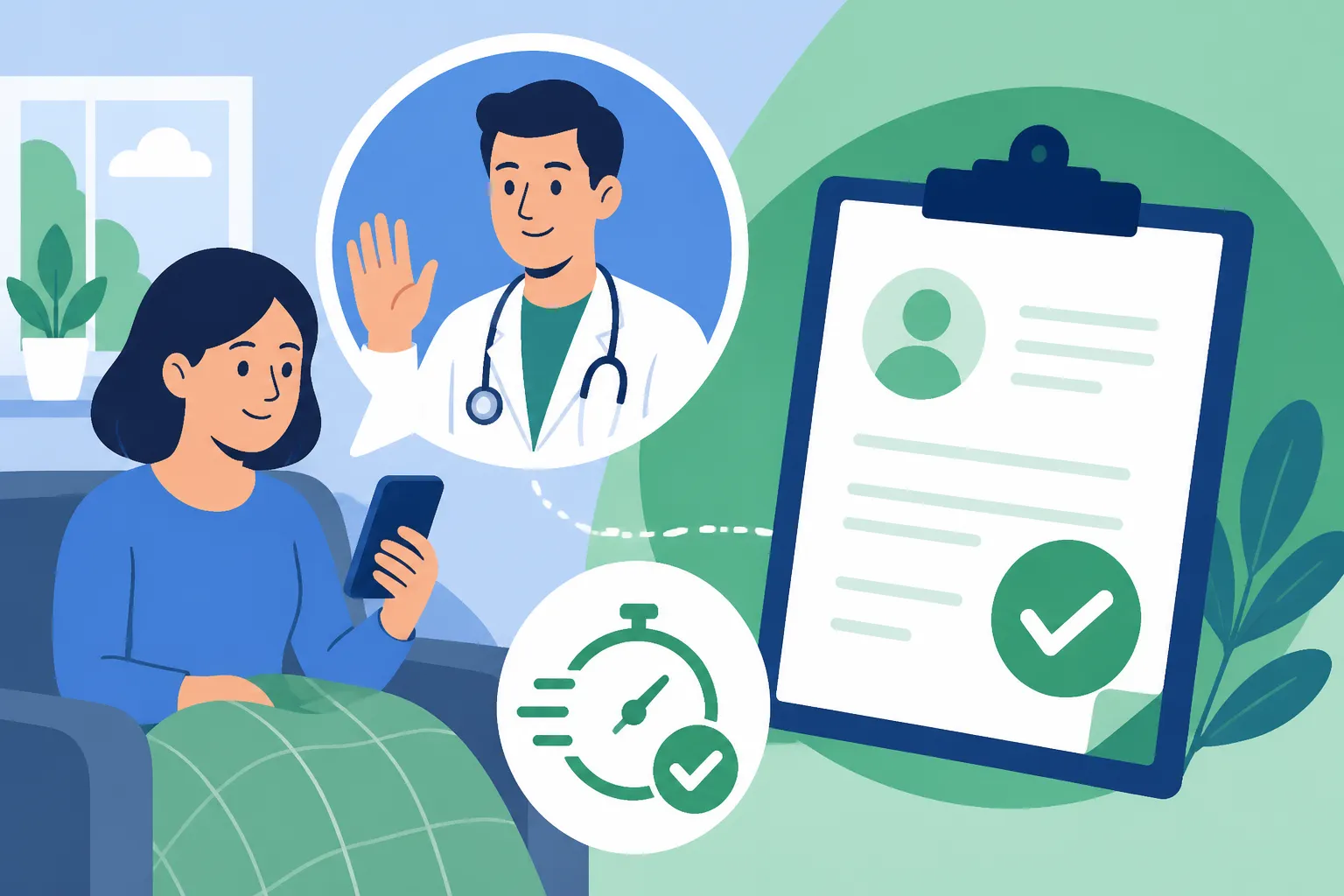
- Virtual Appointments: Many private GPs also offer video or phone consultations, which can be even faster and more convenient, especially if you're too unwell to travel. For certain conditions, a fit note can be issued after a remote consultation.
Remember that while travel insurance providers like SafetyWing are excellent for covering medical emergencies when you're abroad, they typically wouldn't cover a routine private GP visit for a fit note within your resident country like the UK. For that, you'd usually be paying out of pocket, or rely on a specific private health insurance policy if it explicitly includes GP appointments (though many standard private health insurance policies focus more on specialist referrals and hospital stays rather than routine GP visits for things like fit notes). Therefore, always check the specifics of your private health insurance if you have one, or be prepared to pay the full fee upfront.
Costs and Considerations
The cost of a private GP appointment can vary significantly depending on the clinic, its location (London clinics tend to be more expensive), and the length of the consultation. Expect to pay anywhere from £60 to £150 for a standard 15-20 minute consultation. If you need additional tests or treatments, these will incur separate charges.
When booking, always confirm the fee upfront and ask if the consultation includes the issuance of a fit note if deemed medically appropriate. Most private GPs will issue a fit note as part of their service if your condition warrants it, without an additional charge for the note itself, but it's always good to clarify.
Important considerations:
- Legitimacy: A fit note issued by a private GP is just as valid as one from an NHS GP. The key is that it comes from a qualified medical professional.
- Continuity of Care: While great for urgent, one-off needs, using a private GP for a fit note means they won't have access to your full NHS medical history, unless you specifically provide it. If your illness is ongoing, it's always better to loop your NHS GP in eventually to maintain continuity of care. You might find it useful to learn How to Access Your NHS Medical Records in the UK.
- Follow-up: For longer periods of absence, you might need subsequent fit notes. Discuss with the private GP if they offer follow-up consultations or if they recommend you transition back to your NHS GP for ongoing management.
What You'll Need for Your Appointment
Whether you manage to get a rare same-day NHS slot or opt for a private GP, being prepared for your appointment will make the process smoother and increase your chances of getting the fit note you need.
Essential Information and Documentation
While it might seem obvious, having your personal details and relevant medical history readily available can save precious time during your consultation. Remember, especially with a private GP, they won't have immediate access to your full NHS medical records unless you explicitly share them.
Here's what to have ready:
- Personal Identification: Your passport or UK driving licence. While not always strictly necessary for a medical consultation, it's good to have it on hand, especially for a new private clinic.
- Proof of Address: A utility bill or bank statement might be requested by some private clinics for their records. For your NHS GP, they already have this.
- Your NHS Number (if applicable): If you're seeing an NHS GP, they'll have this. If it's a private GP and you want to ensure your regular GP is informed, having your NHS number can help them communicate (with your consent, of course). If you don't know it, you can find out How Do I Get an NHS Number in the UK?.
- Details of Your Employer: You don't need their contact details, but know your employer's full name, as it might be requested for the fit note.
- Clear Description of Symptoms: Be precise about what's wrong, when it started, how it's affecting you, and why it prevents you from working. Don't downplay your symptoms, but also don't exaggerate. Be honest.
- Treatment History: Any over-the-counter medications you've tried, recent doctor visits, or any relevant past medical history related to your current illness.
Being Prepared for the Consultation
A consultation, especially a same-day one, can feel rushed. Make the most of it by being organised and knowing what you want to achieve.
- Be Specific About Your Needs: Clearly state that you are seeking a fit note because your illness has prevented or will prevent you from working for more than seven days.
- Explain Your Job Role: Briefly describe what your job entails. This helps the healthcare professional assess if you are "not fit for work" or "may be fit for work" with adjustments. For example, a severe back injury will have a different impact on someone with a desk job versus someone in manual labour.
- Discuss "May Be Fit for Work" Options: Be open to discussing potential adjustments that could allow you to return to work sooner. This might include reduced hours, lighter duties, or working from home. The doctor will note these suggestions on the fit note.
- Ask About Duration: Enquire about the expected duration of your absence. The doctor will typically issue a fit note for a reasonable period based on your condition. If you need a longer period, they can issue a new one later.
- Confirm How You'll Receive the Note: Ask if you'll receive a physical copy, an email, or if it will be sent directly to your employer (unlikely, you usually receive it). Ensure you know how to get the document as soon as possible.
Beyond the Fit Note: What if You Can't Get One?
Sometimes, despite your best efforts, a same-day fit note simply isn't possible. This can be incredibly stressful, especially when an employer is pressuring you. Knowing your rights and options is key.
Communicating with Your Employer
Open and honest communication with your employer is paramount. As an expat, you might feel extra pressure to conform, but UK employment law offers certain protections.
- Explain the Situation: Immediately inform your employer that you are ill and unable to work. If you're struggling to get a same-day fit note, explain why. Be transparent about the challenges you're facing with GP access, whether NHS or private.
- Self-Certification First: Remind them that for the first seven calendar days of absence, you are legally allowed to self-certify. This is your right under Understanding Statutory Sick Pay and Sick Notes in the UK. Many employers forget this or have policies that try to override it, but the law is on your side for this initial period.
- Provide Evidence When Possible: Offer to provide a copy of any appointment confirmations, or a note from a private clinic confirming your consultation, even if a full fit note wasn't issued immediately. This shows you're proactive.
- Discuss Company Policy: Understand your company's sickness absence policy. While statutory rights exist, some companies have additional requirements or processes for reporting illness. Knowing these can help you navigate the situation.
If your employer remains unyielding despite your efforts to secure a fit note and your explanation of the NHS pressures, you could consider seeking advice from ACAS (Advisory, Conciliation and Arbitration Service), a public body that provides free and impartial advice to employers and employees on workplace relations. They can clarify your rights regarding sick leave and fit notes.
Understanding Your Rights
As an employee in the UK, you have certain rights when it comes to sickness absence and fit notes:
- Statutory Sick Pay (SSP): If you meet eligibility criteria, you are entitled to Statutory Sick Pay (SSP) for up to 28 weeks. SSP is paid by your employer. A fit note is required to receive SSP after the first seven days of absence.
- Employer Flexibility: While an employer can have their own policies, they should also be reasonable. If you're genuinely trying to get a fit note but facing systemic delays, a good employer will understand and work with you.
- No Pay for Fit Notes: Your employer cannot require you to pay for a fit note if one is needed for SSP purposes. If you use a private GP and pay for the consultation, that's your choice for speed, but they can't demand you pay a separate fee for the note itself once a medical professional deems it necessary.
- Fit Note Content: The doctor will decide the content of the fit note based on their clinical judgment, not solely on your preference or your employer's demands.
Sometimes, the stress of dealing with work requirements when you're unwell is immense. Try to focus on what you can control: clearly communicating, understanding your rights, and proactively seeking medical help.
Key Differences: NHS vs. Private Fit Notes
To help you visualise the main differences when you're trying to get a fit note quickly, here's a quick comparison:
| Feature | NHS GP | Private GP |
|---|---|---|
| Speed of Appointment | Very difficult to get same-day appointment. Often booked days/weeks in advance. Phone triage common. | Often possible to get same-day or next-day appointment. Can book online or by phone quickly. Many offer virtual appointments. |
| Cost | Free at the point of use for eligible residents (covered by taxes, including the Immigration Health Surcharge if you're on a visa). | Typically £60-£150 for a standard consultation, paid upfront. Additional costs for tests/medication. |
| Medical History Access | Full access to your comprehensive NHS medical records (if registered). | Limited or no access to your NHS records unless you explicitly share them. |
| Continuity of Care | Best for ongoing conditions and maintaining a consistent medical record. | Good for one-off, urgent needs. May require you to inform your NHS GP for ongoing conditions. |
| Eligibility | Available to all eligible residents registered with a GP. | Available to anyone willing to pay, regardless of NHS registration status, though some may require ID. |
| Fit Note Validity | Identical validity. A fit note from any qualified UK healthcare professional (NHS or private) is legally binding. | Identical validity. |
| Issue Process | Requires a medical assessment (in-person, phone, or video) by a qualified professional. Based on clinical judgment. | Requires a medical assessment by a qualified professional. Based on clinical judgment. |
| Best For | Routine health concerns, chronic condition management, long-term care, when you have advance notice for a fit note. | Urgent but non-emergency medical needs, when you absolutely need a fit note quickly and cannot wait for an NHS appointment. |
Final Thoughts and Advice
Living and working in the UK as an expat comes with its own set of challenges, and navigating the healthcare system during illness can feel particularly daunting. While the NHS is a cornerstone of British life, its incredible demand means that "same-day" access, particularly for administrative tasks like a fit note, is rarely guaranteed.
Remember the critical distinction: self-certification for the first seven days is your statutory right. Beyond that, if you genuinely need a fit note urgently and cannot wait for an NHS GP appointment, a private GP is almost certainly your most reliable option. Be prepared for the cost, but weigh that against the potential stress and professional implications of not having the required documentation.
Always prioritise your health. Don't push yourself to work when genuinely unwell. Take the time to recover, and equip yourself with the knowledge of how the system works, so you can make informed decisions when illness inevitably strikes. Your well-being is paramount, and understanding your options for medical support, including how to get official documentation, is a crucial part of settling into life here.
Disclaimer
The information provided in this guide is for general informational purposes only and does not constitute medical, legal, or professional advice. While we strive to keep the information up-to-date and correct, healthcare policies and availability can change. Always consult with a qualified healthcare professional, legal advisor, or relevant government body (such as HMRC or your local GP practice) for advice tailored to your specific situation. Reliance on any information in this guide is solely at your own risk.