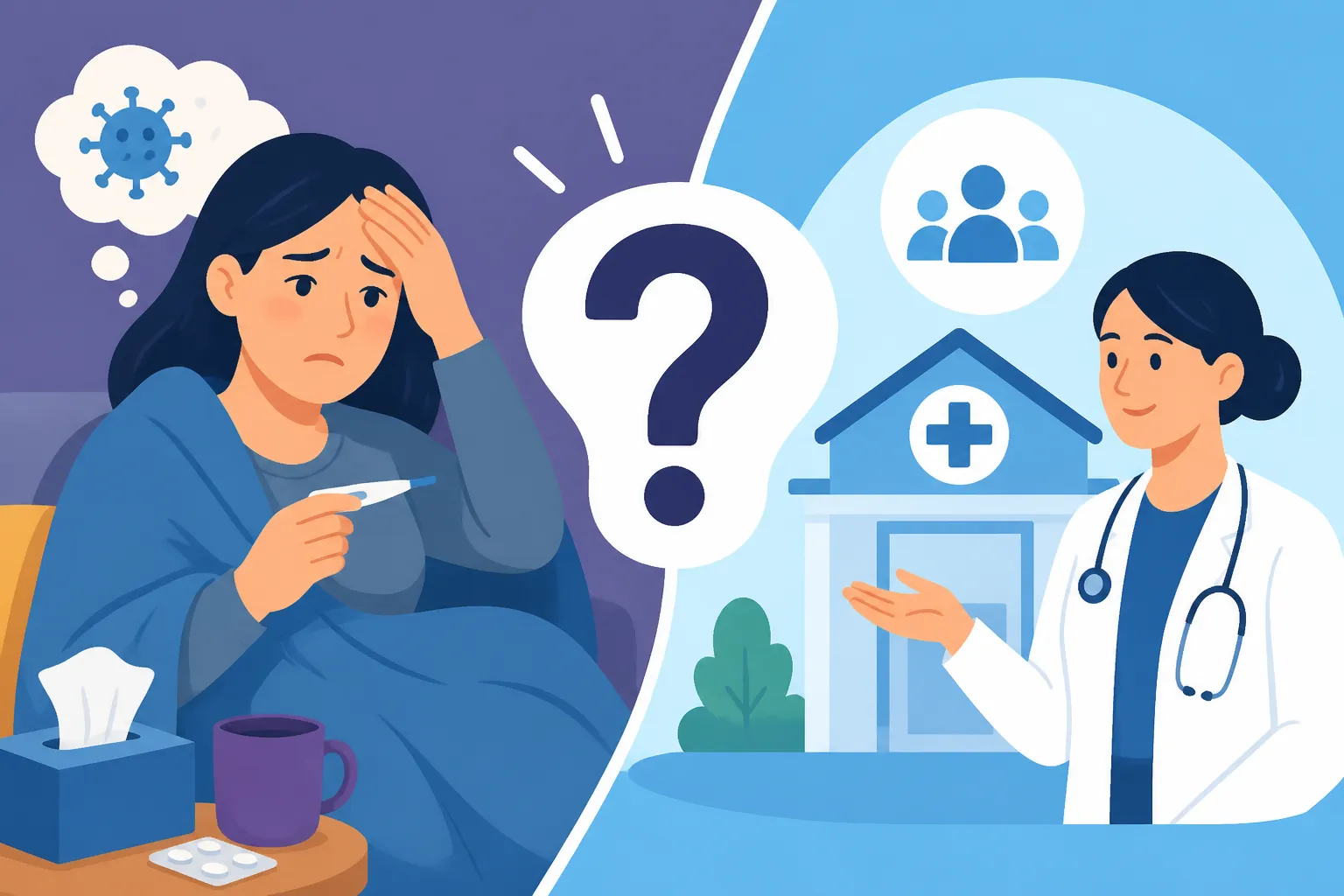
What Happens If I Get Sick Before I Register with a GP in the UK?
Moving to a new country like the UK is exhilarating, but let's be honest, it's also a minefield of administrative hurdles. One of the biggest worries many expats face, myself included when I first arrived, is the chilling thought: "What if I get sick before I've even had a chance to register with a GP?" The panic is real. The UK healthcare system, primarily the NHS, is world-renowned, but navigating it as a newcomer, especially when you're unwell and vulnerable, can feel utterly overwhelming. This guide is here to walk you through exactly what happens, what your options are, and how you can get help if illness strikes before you're fully plugged into the system.
The Initial Panic: Understanding Your Rights and Options
It’s completely normal to feel a knot of anxiety when you realise you’re feeling under the weather, and your all-important GP registration hasn't gone through yet. You’re in a new country, perhaps without a support network, and suddenly your health feels precarious. Let me assure you, you’re not alone in this experience. Many expats find themselves in this tricky limbo, and thankfully, the UK has provisions for these situations.
Are You Actually Covered? The IHS and Visitor Status
First things first, let's talk about your entitlement. For most people moving to the UK on a visa for six months or more, you've likely paid the Immigration Health Surcharge (IHS). This charge is essentially your ticket to accessing the National Health Service (NHS) on broadly the same basis as a permanent UK resident. However, paying the IHS doesn't automatically mean you're registered with a GP from day one. GP registration is a separate, often delayed, administrative process. The good news is that even without a GP registration, the IHS does entitle you to NHS treatment, including urgent and emergency care.
For visitors or those on shorter visas who haven't paid the IHS, the situation is a bit different. While emergency treatment at an Accident & Emergency (A&E) department is generally free at the point of use for anyone, regardless of residency status, other NHS services may come with a charge. It’s a common misconception that all healthcare is free for everyone. This distinction is crucial, and it’s why many who aren't immediately covered by the IHS opt for comprehensive travel insurance – something like SafetyWing, which specifically caters to digital nomads and long-term travellers, can be a real lifesaver in those initial weeks or months before your full status is confirmed. Understanding your specific entitlement is the first step to peace of mind. You can delve deeper into this by reading about Understanding Who Is Eligible for Free NHS Care in the UK and Understanding the Immigration Health Surcharge (IHS) and NHS Access (2027).
First Steps When Illness Strikes: Assessing the Severity
So, you're feeling unwell. Your head is pounding, or you've got a persistent cough, or maybe something just feels "off." The very first thing you need to do is pause and assess the situation. Is this a life-threatening emergency, or is it a minor ailment that can be managed with over-the-counter remedies or advice? This assessment is key to choosing the right path for help, and it’s a skill you’ll quickly develop as an expat in the UK.
For minor issues like a common cold, mild fever, or stomach upset, self-care is often the best initial approach. Your local pharmacy will be an invaluable resource (more on that later). However, if you're experiencing symptoms that are concerning but not immediately life-threatening – perhaps a bad cough that's getting worse, a persistent rash, or worrying pain that isn't severe enough for A&E – the NHS has a fantastic service called NHS 111. This non-emergency medical helpline is staffed by advisors and healthcare professionals who can provide advice, direct you to the most appropriate service, or even arrange an out-of-hours GP appointment if necessary. Don't underestimate the power of a quick call to 111; it often saves a trip to A&E and gives you clarity when you're feeling vulnerable. It’s a service many expats rely on, and it’s incredibly reassuring to have. I highly recommend learning about Understanding NHS 111 and When to Use It in the UK.
Navigating Immediate Medical Needs Without a GP
When you're ill and don't have a registered GP, it can feel like you're adrift. But fear not, the UK healthcare system has various entry points designed to handle situations just like yours. Knowing these alternatives is empowering and will help you access the right care quickly. It's all about understanding the different tiers of service available, which can be a bit of a learning curve for newcomers.
Urgent Care Centres and Walk-in Clinics
These facilities are absolute unsung heroes for expats in that awkward phase before GP registration. Urgent Care Centres (UCCs) and NHS Walk-in Centres (WiCs) are designed to treat illnesses and injuries that require urgent attention but aren't life-threatening. Think sprains, minor burns, cuts that need dressing, infections, rashes, or sudden worsening of a chronic condition. They bridge the gap between self-care/pharmacy and A&E.
You don't need an appointment, and you don't need to be registered with a local GP. You can simply turn up, explain your symptoms, and you'll be seen by a nurse practitioner or sometimes a doctor. Waiting times can vary, but they are generally much shorter than A&E for non-emergencies. They are also often open for extended hours, sometimes even 24/7. To find your nearest one, a quick search on the NHS website with your postcode will usually point you in the right direction. For instance, in London, you might find Urgent Care Centres attached to major hospitals like St Thomas' or Charing Cross, or standalone ones like the one in Soho. These are invaluable resources when you're feeling poorly but know it's not a 'call an ambulance' situation.
Emergency Situations: When to Call 999 or Go to A&E
This is the big one, the one that everyone hopes they never have to face. If you are experiencing a life-threatening emergency, there is absolutely no hesitation: call 999 immediately. This is the UK's emergency number for ambulances, police, and fire services. Examples of life-threatening emergencies include suspected heart attack or stroke, severe bleeding, difficulty breathing, unconsciousness, severe allergic reactions, or major injuries from an accident. Do not delay.
If you believe you need emergency medical attention but are able to safely make your own way, then the Accident & Emergency (A&E) department (also known as the Emergency Department or ED) at your nearest hospital is where you need to go. Remember, A&E is for emergencies only. Turning up with a common cold or a mild rash clogs up the system and means people with genuine emergencies have to wait longer. When you arrive at A&E, you'll be triaged, meaning a nurse will quickly assess your condition and determine how urgently you need to be seen. As a result, people with more serious conditions will be seen first, regardless of when they arrived. Waiting times in A&E can be notoriously long, especially in busy urban areas like Manchester or London, so be prepared for a wait if your condition is not deemed critical. Crucially, emergency treatment at A&E is provided to everyone, regardless of their ability to pay or their NHS registration status. However, if follow-up care is required that isn't emergency treatment, you may be charged if you're not ordinarily resident or haven't paid the IHS. For more detailed information on this, check out Emergency Medical Care in the UK: What Every Expat Needs to Know and What Is the Emergency Phone Number in the UK?.
The Role of Pharmacies and Private Healthcare Options
While the NHS provides incredible public healthcare, sometimes, especially when you're new to the country and not yet fully registered, knowing about your local pharmacy and private options can offer quicker solutions and greater peace of mind. It's all about having a robust backup plan for your health.
Your Local Pharmacy: More Than Just Prescriptions
Honestly, when I first moved here, I was amazed by how much my local pharmacy could do. In many countries, pharmacies are just places to pick up prescriptions. In the UK, however, pharmacists are highly trained healthcare professionals who offer a wealth of advice and services. They are often your first and fastest point of contact for minor health concerns, and you don't need an appointment.
If you're dealing with a cold, cough, minor aches, skin irritations, or digestive issues, pop into your local Boots, Superdrug, or independent pharmacy. The pharmacist can recommend appropriate over-the-counter medications, provide advice on managing symptoms, and crucially, they can tell you if your symptoms warrant a visit to a GP or another urgent care service. They can also offer services like emergency contraception, flu jabs, and even advice on quitting smoking. If you have an existing prescription from your home country, they might be able to help you source a UK equivalent, though you will likely need a private prescription from a UK doctor for anything requiring a script. Getting familiar with Prescriptions and Pharmacies in the UK: The Complete Guide will really help you understand these services.
Considering Private GPs and Health Insurance
For those times when you need to see a doctor quickly but it’s not an emergency, and you’re still waiting on your NHS GP registration, private healthcare can be a fantastic alternative. Private GPs offer appointments that can often be booked on the same day or within 24 hours, providing much faster access than the sometimes-long waits for NHS GP slots, especially if you're not registered.
A private GP appointment will involve a fee, which can range from £60 to £150 or more, depending on the clinic and location (a quick search for How Much Does a Private GP Appointment Cost in Manchester? will give you an idea of costs). However, for that fee, you often get a longer consultation, and the peace of mind of being seen promptly. They can issue private prescriptions and referrals to private specialists if needed. If you have private health insurance, this might cover the cost of a private GP consultation, depending on your policy. This is where options like SafetyWing shine for expats in their initial phase, or even for seasoned expats who want a reliable fallback. While the NHS covers a lot, having private health insurance, especially for those initial weeks or months, can provide a robust safety net. It can bridge the gap before you're fully integrated into the NHS, or for specific treatments not covered or with long waiting times on the NHS. For a comprehensive overview, explore NHS vs Private Healthcare in the UK: Which Should Expats Choose? and Do I Need Private Health Insurance in the UK?.
Proactive Steps: Getting Registered and Prepared
The best way to avoid the panic of getting sick before GP registration is to be proactive. Getting yourself fully registered with the NHS as soon as possible is paramount. It’s a process that can take a little time, but it’s entirely worth it for your health and peace of mind.
Registering with a GP: Don't Delay!
This cannot be overstated: make registering with a General Practitioner (GP) surgery one of your absolute top priorities once you arrive in the UK and have secured accommodation. Even if you feel perfectly healthy, do it. The process can sometimes take a week or two, and you don't want to be caught out if you suddenly fall ill. Each GP surgery has a defined catchment area, so you'll need to find one close to your home that is accepting new patients. The NHS website has a handy "Find a GP" tool where you can enter your postcode.
When you go to register, you'll typically need to fill out a form, provide proof of identity (like your passport or Biometric Residence Permit), and proof of address (such as a utility bill, tenancy agreement, or bank statement). Some surgeries might also ask for your NHS number, but you don't need one to register, they will assign you one if you don't have one already. Once registered, you become part of that surgery's patient list, and you'll have full access to their services, including booking appointments, getting prescriptions, and referrals to specialists. This is the cornerstone of your healthcare in the UK. Make sure to consult Registering with a GP in the UK: The Complete Expat Guide (2027) and How to Register with an NHS GP After Moving to the UK for a step-by-step guide.
Building Your Expat Medical Safety Net
Beyond GP registration, creating a comprehensive medical safety net will serve you well throughout your time as an expat in the UK. This goes beyond just signing up for services; it's about being prepared for the unexpected.
Firstly, consider your insurance. Even with the IHS covering NHS access, having private health insurance can offer quicker access to specialists, shorter waiting times for non-urgent procedures, and a broader choice of hospitals and consultants. This is especially true if you are used to a private system in your home country or if your employer provides it. If you're a highly mobile expat or still in the process of getting settled, a flexible travel medical insurance plan like SafetyWing can offer essential protection for unexpected illnesses or accidents worldwide, bridging any gaps in coverage during transition periods or when exploring beyond the UK's borders. Many plans even allow you to continue coverage for short trips back home.
Secondly, equip yourself with a basic home medical kit. Paracetamol, ibuprofen, plasters, antiseptic wipes, and any specific over-the-counter medications you rely on are a good start. Knowing what you can treat at home will save you unnecessary trips to the pharmacy or urgent care. Familiarise yourself with The Complete Guide to Healthcare in the UK for Expats (2026) and How the NHS Works: Public Healthcare in the UK Explained (2026) to truly grasp the system.
Finally, always carry some form of ID and ideally your NHS number (once you have it) or your Biometric Residence Permit. In an emergency, this information can be crucial. Being prepared is not about living in fear, but about empowering yourself with knowledge and resources to handle any health challenge that comes your way.
| Service Category | Best For | Access Method | Cost (for IHS-payers) | Typical Wait Time | Key Differentiator |
|---|---|---|---|---|---|
| Self-Care | Minor cuts, headaches, colds, mild fever | At home, OTC medication | Low/Med (meds cost) | Instant | First line of defence, often sufficient for minor ailments. |
| Pharmacy | Minor ailments, advice, medication purchase | Walk-in | Low/Med (meds cost) | Minimal | Pharmacists are trained professionals, providing advice and common remedies. |
| NHS 111 | Non-emergency medical advice, guidance | Phone call (111) | Free | Short phone wait | Directs you to the most appropriate service, can arrange out-of-hours GP. |
| Urgent Care / WiC | Urgent but non-life-threatening conditions | Walk-in | Free | Hours | Treats a range of conditions that don't need A&E but can't wait for GP. |
| Private GP | Fast access, specific concerns, second opinion | Appointment (phone/online) | Paid (£60-£150+) | Same-day/24 hours | Quick appointments, longer consultation times, flexible. |
| A&E (999) | Life-threatening emergencies | Call 999 or go directly | Free (emergency only) | Varies (immediate for critical) | For genuine emergencies where immediate medical intervention is critical. |
Disclaimer
The information provided in this guide is for general informational purposes only and does not constitute medical or legal advice. Healthcare regulations and visa requirements in the UK can change, and individual circumstances vary significantly. Always consult with qualified medical professionals for health concerns and refer to official UK government resources or an immigration lawyer for specific visa and healthcare eligibility details.