How the Immigration Health Surcharge Gives You NHS Access in the UK
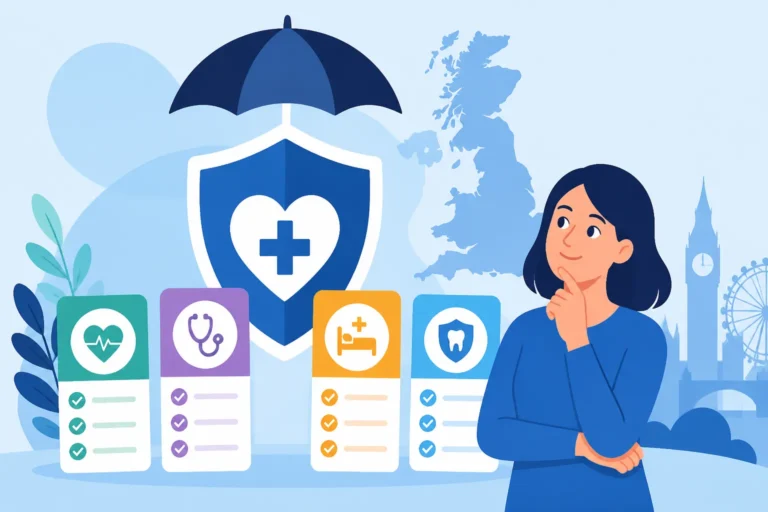
Moving to the UK involves navigating a mountain of paperwork, but few things feel as financially jarring as the moment you see the Immigration Health Surcharge (IHS) added to your visa total. You might be wondering why you are paying thousands of pounds upfront before you have even seen a doctor. This guide explains how that payment works, what it actually buys you, and how to navigate the NHS once you arrive.
What is the Immigration Health Surcharge and Why Does it Exist
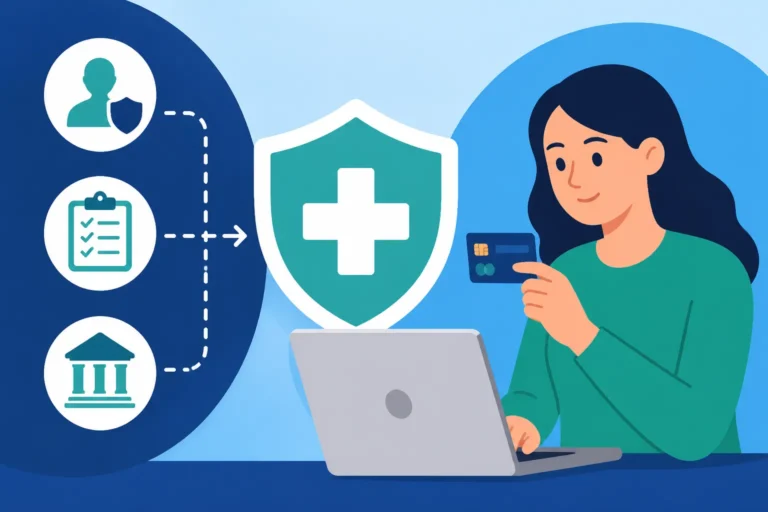
The Immigration Health Surcharge is a mandatory fee paid by most non-UK residents applying for a visa to stay in the country for more than six months. When I first moved here, I remember the sticker shock; it felt like a massive double payment because I knew I would also be paying National Insurance through my UK salary. However, the UK government views this surcharge as a way for temporary residents to contribute fairly to the National Health Service (NHS) from day one, rather than waiting years to build up a tax history.
It is essential to understand that the IHS is not a health insurance premium in the traditional sense. You are not paying for a private policy with a dedicated agent. Instead, you are paying for the right to use a public system that is "free at the point of use." This means that once you have paid the surcharge and your visa is granted, you can walk into an NHS hospital or a GP surgery and receive treatment without being handed a bill at the exit. Understanding the nuances of this system is the first step toward Understanding the Immigration Health Surcharge (IHS) and NHS Access (2027) as an expat.
Who is Required to Pay the IHS
The requirement to pay the IHS applies to almost everyone coming to the UK on a long-term visa, including workers, students, and family members of UK residents. If you are coming for a holiday on a Standard Visitor visa, you generally do not pay the IHS, but you also do not have full access to free NHS services. For those on a Skilled Worker or Student visa, the payment is non-negotiable. Even if you have your own private medical insurance, the Home Office still requires the IHS payment as part of your application.
There are a few rare exemptions. For instance, those applying for the Health and Care Worker visa are currently exempt from the surcharge to encourage medical professionals to move to the UK. Additionally, those applying for Indefinite Leave to Remain (ILR) do not pay the IHS, as they are moving into a permanent residency status where their healthcare is funded solely through general taxation. For most of us, however, it is a significant line item in the relocation budget.
Understanding the 2026 Fee Structure
The cost of the IHS has risen significantly over the last few years. As of 2026, the standard rate for most workers and their dependants is roughly £1,035 per year of the visa’s duration. Students and children usually receive a discounted rate, often around £776 per year. If you are applying for a five-year visa, you must pay the entire five-year amount upfront during your visa application. This can easily result in a single payment of over £5,000 for an individual, or much more for a family of four.
When calculating your move, it is vital to check the latest rates because the government can adjust these figures annually. If your visa is for a period that includes part of a year, the cost is usually rounded up. For example, a visa for 18 months would require you to pay for two full years of the surcharge. It feels like a massive hit to your savings, but it is the key that unlocks almost all medical care in England, Scotland, Wales, and Northern Ireland. Many newcomers often ask, How Much Is the Immigration Health Surcharge in the UK in 2026? to ensure they have set aside enough funds before starting their application.
The Philosophy of Public Funding
The NHS is the pride of the UK, funded through general taxation and, partially, the IHS. Unlike systems in the US or some parts of Europe, there are no "networks" or "out-of-network" doctors within the NHS. Once you have paid your surcharge, you are part of the system. The philosophy is that everyone contributes so that everyone can be treated based on clinical need, not the ability to pay.
As an expat, you might find the lack of a bill confusing at first. I remember my first trip to an NHS hospital for a minor injury; I kept looking for the cashier’s desk to pay my co-pay, only to be told by a smiling nurse that there was no such thing. Your IHS payment essentially replaces the insurance premiums and deductibles you might be used to elsewhere, though it covers a much broader range of services than a standard basic insurance plan might.
Moving from Payment to Care: Activating Your NHS Access
Paying the fee is only the first step; the real work begins when you land in the UK and need to actually use the system. Your IHS reference number is the proof that you have paid, but it isn't something you carry around like a card. Instead, your eligibility is linked to your immigration status in the Home Office database. When you visit a doctor, they can check your status using your Biometric Residence Permit (BRP) or your digital eVisa.
The most critical thing you can do in your first week is register with a local doctor. Do not wait until you are sick. The UK system is gatekept by General Practitioners (GPs), and without being on a GP's list, accessing specialist care or getting non-emergency treatment can be a nightmare. You should start by Registering with a GP in the UK: The Complete Expat Guide (2027) as soon as you have a permanent or semi-permanent address.
The Link Between Your Visa and Your NHS Number
Once you are in the UK, you need an NHS number. This is a unique 10-digit identifier that tracks your medical records across the entire country. Many people assume their IHS reference number is their NHS number, but they are entirely different. Your NHS number is generated the first time you register with a GP surgery. The surgery will take your details, check your visa status, and then request a number for you if you don't already have one.
This process can take a few days or even a couple of weeks. Once you have this number, it stays with you for life, even if you leave the UK and return years later. It is the master key to your healthcare journey, ensuring that your records from a hospital in Manchester can be seen by a specialist in London if you move. For a deeper dive into this process, read about Understanding How to Get an NHS Number in the UK to make sure you have all your ducks in a row.
Registering with a Local GP Surgery
Finding a GP is usually based on your "catchment area," which is the geographical zone around a clinic. Most surgeries will only take patients who live within a specific radius to ensure they can provide home visits if necessary. You can find your local surgery using the "Find a GP" tool on the NHS website. When you go to register, you will likely be asked for your passport, your BRP (or proof of your eVisa), and a proof of address like a utility bill or a tenancy agreement.
While the NHS technically allows you to register without proof of address (to support those in precarious housing), many receptionists still ask for it out of habit. Be firm but polite. Once registered, you will be assigned a "named GP," but you can often see any doctor at the practice. This registration is the only way to get referrals for things like dermatology, cardiology, or physiotherapy. If you are struggling with the paperwork, there are guides on How to Register with an NHS GP After Moving to the UK that can help you navigate the front-desk bureaucracy.
Using Your BRP or eVisa as Proof of Entitlement
As the UK moves toward a fully digital immigration system, you might not receive a physical BRP card. Instead, you will have an eVisa. When you visit an NHS hospital for the first time, or if you are referred to a specialist, the hospital's "Overseas Visitor Manager" might contact you to verify that you don't need to pay for your care. You simply provide them with a "share code" generated from the UK government website, which proves you have paid the IHS and have a valid visa.
It is a good idea to keep a digital copy of your IHS payment receipt and your visa approval letter on your phone. While the systems usually talk to each other, glitches happen. Having my IHS reference number handy saved me from a very stressful afternoon of arguing about a £400 bill.
What the IHS Actually Covers and What It Doesnt
The biggest myth about the IHS is that it covers absolutely everything health-related. While it is incredibly comprehensive, it is not an all-access pass to every service. Generally speaking, the IHS gives you access to the NHS on the same terms as a UK permanent resident. This means most things are free, but a few specific services still carry small charges.
For most of us, the coverage is a lifesaver. It includes all GP appointments, all emergency room (A&E) visits, ambulance transport, hospital stays, surgeries ordered by an NHS consultant, and even complex treatments like chemotherapy or dialysis. If you are pregnant, the IHS covers your entire maternity journey. However, you need to be aware of the "out-of-pocket" costs that still exist for everyone in the UK.
Comprehensive Primary and Hospital Care
The core of the NHS is primary care (your GP) and secondary care (hospitals). If you feel unwell, you book a GP appointment. If the GP thinks you need a specialist, they refer you to an NHS hospital. All of this, including blood tests, X-rays, and MRI scans, is covered by your IHS payment. There are no "claims" to file and no paperwork to send to an insurance company.
This "free at the point of use" model is fantastic for peace of mind. If you have a chronic condition, the NHS will manage it without you worrying about hitting a "lifetime cap" on coverage. However, the trade-off is often time. Because the system is free for everyone, waiting lists for non-emergency surgeries (like a knee replacement or certain diagnostic scans) can be months long. This is why many expats choose to look into NHS vs Private Healthcare in the UK: Which Should Expats Choose? to see if they want to pay extra for faster access.
The Exceptions: Dental, Optical, and Prescriptions
This is where many newcomers get caught out. The IHS does not make dental care or eye tests free. Most adults in the UK pay a set fee for NHS dental treatments. These are divided into "bands." For example, a check-up might be around £26, while a filling or root canal could be over £70. Finding an NHS dentist is also notoriously difficult in many parts of the UK, and you may end up having to pay for private dental care, which is significantly more expensive.
Similarly, eye tests and glasses are generally private costs, though some people qualify for vouchers. Prescriptions also carry a standard charge in England (currently around £9.90 per item), though they are free in Scotland and Wales. If you have a long-term condition that requires multiple medications, you can buy a "Prepayment Certificate" to save money. For more details on these costs, check out the guide on Understanding NHS Prescription Charges and Exemptions in the UK.
Mental Health and Maternity Services
One of the best features of the NHS is its approach to maternity care. From the moment you find out you are pregnant, you are assigned a midwife, and all your scans, appointments, and the birth itself are covered by the IHS. There are no "hospital room charges" or "epidural fees." The care is high-quality, though you will likely be in a shared ward after delivery unless you pay for a private "amenity room."
Mental health services are also included, though the waiting lists for therapy can be quite long. You can access "Talking Therapies" through your GP, which offers various forms of counseling. Because these services are in high demand, some expats use a supplemental plan like SafetyWing to cover private therapy or mental health support while they are waiting for an NHS slot. SafetyWing is particularly useful because it offers flexibility that the rigid public system sometimes lacks.
Navigating the Gap Between Public and Private Options
While the NHS is world-class for emergencies and chronic care, it can feel slow and bureaucratic for everything else. Experienced expats often find that the secret to a happy life in the UK is knowing when to use the NHS and when to go private. The IHS gives you the safety net, but it doesn’t give you luxury or speed.
If you have a minor but annoying health issue—like a persistent skin rash or a sports injury—waiting six months for an NHS specialist can be frustrating. This is where private medical insurance or travel-medical hybrids like SafetyWing come into play. They don't replace your IHS (you still have to pay that for your visa), but they provide an "express lane" for consultations and elective procedures.
Why Expats Often Supplement with Private Insurance
Many employers in the UK offer private medical insurance (PMI) as a benefit. If yours doesn't, you might consider buying a policy. The main benefit is speed. While the NHS might take weeks to give you a specialist appointment, a private policy can often get you seen within 48 hours. You also get a private room in a hospital and can often choose which consultant you want to see.
For those who travel frequently or aren't yet settled, a more flexible option like SafetyWing can be a great middle ground. SafetyWing provides coverage that follows you if you leave the UK for a holiday or a trip back home, which the NHS obviously does not cover. It is wise to have some form of supplemental cover during your first few months while you are still figuring out How Specialist and Consultant Referrals Work in the NHS.
Waiting Times and Specialist Access
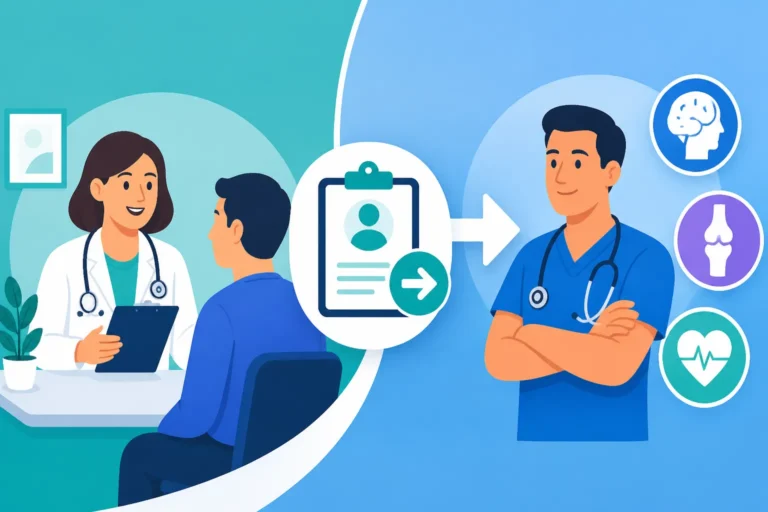
The "waiting list" is a common topic of conversation in the UK. For non-life-threatening conditions, the NHS has a target of 18 weeks from referral to treatment, but in reality, many people wait much longer. If you need a specialist, your GP must write a referral letter. You cannot simply call up a cardiologist and book an appointment on the NHS; the GP acts as the gatekeeper.
If you choose to see a specialist privately, you can often do so without a referral, though most insurers prefer you to have one. Private consultations usually cost between £200 and £500. This is the "gap" that the IHS doesn't bridge. You are paying for the right to the treatment, but not necessarily the right to the treatment immediately.
Emergency Situations and 111
In a true emergency—think heart attack, major car accident, or severe difficulty breathing—the NHS is unparalleled. You dial 999, and an ambulance is dispatched. You will be treated in an Accident & Emergency (A&E) department regardless of your IHS status initially, though they will check your eligibility later for ongoing care.
For issues that are urgent but not life-threatening, the UK uses the 111 service. You can call 111 or use the website to get medical advice. They can book you into an "Out of Hours" GP appointment or tell you to go to a "Walk-in Centre." This is a fantastic resource for expats who aren't sure if their situation warrants a hospital visit. For more on this, read about Understanding Emergency Numbers (999 and 111) and Ambulances in the UK.
Comparison of Healthcare Access in the UK
| Service Type | Covered by IHS? | Out-of-Pocket Cost | Waiting Time |
|---|---|---|---|
| GP Appointments | Yes | £0 | 1–7 days |
| A&E / Emergency | Yes | £0 | Immediate (by priority) |
| Prescriptions | No (in England) | £9.90 per item | Immediate |
| NHS Dentist | No | £26–£300+ (Bands) | Can be months |
| Private Specialist | No | £200–£500+ | 1–5 days |
| Elective Surgery | Yes | £0 | 4–18+ months |
| SafetyWing / Private Insurance | N/A | Varies by plan | Very Fast |
Troubleshooting Common IHS and NHS Access Issues
Sometimes, the system doesn't work as smoothly as the brochures suggest. Bureaucracy is a reality of British life, and your health records are no exception. One of the most common issues is a GP surgery telling a new expat that they "aren't eligible" for free care because they don't have an NHS number yet. This is incorrect. Your eligibility starts the moment your visa is valid.
If you run into trouble, don't be afraid to ask for the "Practice Manager." Many receptionists are new or haven't been trained on the specific rules for IHS payers. You have paid a lot of money for this access, and you are legally entitled to it. I've found that carrying a printout of the government's guidance on IHS and NHS access can quickly clear up "misunderstandings" at the front desk.
What to Do If Your Payment Isnt Recognized
Occasionally, there is a lag between you paying the IHS and the NHS "Overlays" system showing you as active. This most often happens to people who have just arrived or those who have switched from one visa to another (e.g., from a Student visa to a Skilled Worker visa). If a hospital tries to bill you, give them your IHS reference number and your visa share code.
If they insist on payment, ask for an itemized invoice but do not pay immediately if you know you are covered. You can contact the Home Office to ensure your payment has been flagged correctly in the system. It is also worth checking How Your Visa and the IHS Affect Your NHS Entitlement in the UK to understand exactly what your specific visa sub-category allows.
Managing Dependants and Family Coverage
If you are moving with a spouse or children, you must pay the IHS for each individual. Each person will receive their own IHS reference number and, eventually, their own NHS number. For children, the process is usually very smooth, and they are prioritized for GP appointments.
One thing to note is that children in the UK receive free dental care and free prescriptions, regardless of whether you have to pay for yours. If you are a new parent, you should also look into How Do I Register My Newborn with a GP in the UK? to ensure your baby is added to the system as soon as they are born.
Handling Medical Emergencies Before Your Visa Arrives
If you are already in the UK but your visa (and thus your IHS activation) is still being processed, you are in a bit of a gray area. Usually, if you have a pending application, you are treated as having the same rights as your previous visa. However, if you are a brand-new arrival who got sick before your BRP arrived, it can be tricky.
This is where having a "bridge" insurance like SafetyWing is a lifesaver. It covers you during that vulnerable transition period when you are technically in the country but not yet fully "in the system" at the local GP level. It provides that extra layer of security so you aren't stuck with a bill for an urgent clinic visit while the Home Office finishes their paperwork.
Essential Tips for Newcomers Balancing Cost and Health
Living in the UK is an adventure, but the healthcare system requires a bit of "system-hacking" to get the most out of it. My biggest piece of advice is to be proactive. Don't wait for the system to find you; you have to find the system. Register with your GP, find a dentist (even a private one), and know where your nearest A&E is.
Also, keep a "Health Folder" (digital or physical). In it, keep your IHS receipt, your NHS number (once you get it), a list of your medications, and your immunization records from your home country. Having these ready will make every doctor's visit much less stressful. If you ever need to prove your illness to an employer, you'll also need to know How to Get a Sick Note (Fit Note) from a GP in the UK to avoid issues with your payroll.
Keeping Records of Your IHS Reference Number
Your IHS reference number is generated when you pay the fee on the government website. It usually starts with "IHS" followed by several digits. You will need this number for every subsequent visa extension or if you ever need to prove your healthcare entitlement to a skeptical hospital administrator.
I recommend emailing the confirmation to yourself and saving it in a "UK Move" folder. While you won't need it for a routine GP visit, it is the ultimate proof of your "pre-paid" healthcare. It is one of those things you hope you never have to look at again, but you'll be incredibly glad you have it if a database error ever occurs.
Maximizing the Value of the NHS
Since you have paid the surcharge, make sure you use the services available to you. This includes free flu jabs if you are in a high-risk group (or often cheaply at pharmacies), routine screenings like smear tests or mammograms, and the "NHS Health Check" if you are over 40. These preventative services are all included in your IHS "subscription."
The NHS is a fantastic resource, but it works best for those who are patient and organized. Learn how to use the "NHS App" (once you have your NHS number), as it allows you to book appointments, order repeat prescriptions, and see your test results without having to wait on hold on the phone for 20 minutes every morning.
Disclaimer
The information provided in this guide is for informational purposes only and does not constitute legal, financial, or medical advice. Immigration rules and NHS fees are subject to frequent change by the UK government. Always check the official GOV.UK website for the most current rates and requirements. For specific medical concerns, consult a qualified healthcare professional. For visa-related legal issues, seek advice from a registered immigration solicitor.