What Is the Emergency Phone Number in the UK?
One of the most terrifying things about moving to a new country is facing an emergency and not knowing who to call or what to do. The UK healthcare and emergency services system can feel like a labyrinth at the best of times, let alone when you're in a panic. This guide is here to cut through the confusion, helping you understand the crucial emergency phone numbers in the UK, when to use them, and what to expect when you reach out for help.
The Essential Emergency Number: 999
When every second counts, there's only one number you need to remember: 999. This is the UK's primary emergency service number, connecting you directly to the police, fire brigade, ambulance service, or coastguard. It's truly for life-threatening situations, serious crimes, or immediate dangers. Knowing when and how to use it correctly can make all the difference, so let's get into the specifics.
When to Call 999: Life or Death Situations
Calling 999 isn't something to take lightly. It's reserved for genuine emergencies where there is an immediate threat to life, serious injury, or a crime in progress. Think about scenarios where someone's safety or life is at stake, or property is in severe danger.
For example, if you witness a car crash with serious injuries, see a building on fire, or discover someone unconscious, 999 is the number. If you suspect a burglary is happening right now, or you're experiencing severe chest pain that could be a heart attack, don't hesitate. These are the moments when you need an immediate response from trained professionals who can literally save lives or prevent significant harm. Misusing 999 can divert resources from those who truly need them, so always consider the urgency of the situation before dialling.
What Happens When You Call 999
When you dial 999, you'll first be connected to a BT operator. They'll ask which emergency service you require: Police, Fire, Ambulance, or Coastguard. It’s important to state this clearly and calmly. Once you've made your choice, you'll be transferred to the relevant emergency service control room.
At this point, you’ll speak to a dedicated emergency call handler. They will ask for your location – try to be as precise as possible, including your full address and postcode if you know it. This is absolutely critical for them to dispatch help quickly. They'll also ask for details about the emergency itself: what's happening, how many people are involved, if anyone is injured, and any other relevant information. It’s crucial to stay on the line, answer all questions, and follow their instructions. They might keep you talking until help arrives to gather more information or provide vital first aid advice over the phone.
The Silent Solution and Other Important Considerations
What if you're in an emergency but can't speak? This is a terrifying thought, but the UK has a system called the "Silent Solution." If you call 999 but are unable to talk, the operator will prompt you to press '55'. This lets them know it's a genuine emergency and not an accidental call, and they will then connect you to the appropriate service. This system is particularly important in domestic abuse situations or if you're in danger and speaking would put you at greater risk.
For those who are deaf, hard of hearing, or speech-impaired, you can register for the Next Generation Text Service (NGTS) to contact 999 via textphone. It's a fantastic service that ensures everyone can access emergency help. If you call 999 by mistake, which happens to everyone at some point, don't just hang up immediately. Briefly explain to the operator that it was an error. This prevents them from thinking a silent call is a real emergency and dispatching unnecessary resources to check on you.
Navigating Non-Emergency Situations with 111
Not every health concern requires an ambulance or a trip to A&E. For those moments when you need medical advice or help quickly but it’s not life-threatening, the NHS 111 service is your invaluable friend. It's there to guide you to the right care and prevent unnecessary strain on the 999 services and hospital emergency departments.
The NHS 111 Service: Your First Port of Call for Non-Urgent Health Concerns
NHS 111 is a free-to-call service available 24 hours a day, 7 days a week, across England, Scotland, and Wales. It’s designed for when you need urgent medical help or advice but it's not a 999 emergency. Think of it as your intelligent gateway to the broader healthcare system.
Perhaps you've woken up with a severe earache, your child has a high fever that won't come down, or you’ve got a minor cut that looks a bit nasty but isn't gushing blood. These are classic 111 scenarios. The trained advisors can assess your symptoms, offer self-care advice, and, crucially, direct you to the most appropriate service. This might mean arranging an urgent appointment with an out-of-hours GP, directing you to a local Urgent Treatment Centre, suggesting a visit to a pharmacy, or, if they deem it necessary, even booking you an appointment at A&E or dispatching an ambulance. It really helps to understand Understanding NHS 111 and When to Use It in the UK.
When and How to Use NHS 111
You should call 111 if you think you need to go to A&E or another urgent care service but it's not a 999 emergency, you don't know who to call or you don't have a GP, or you need health advice. The service is available 24/7, so no matter the time of day or night, you can get professional medical guidance.
When you call, you’ll speak to a highly trained advisor who will ask a series of questions about your symptoms. They use a clinical assessment system to help determine the best course of action. It's helpful if you have any existing medical conditions, current medications, or allergies to hand, as this information can be vital for their assessment. They might also refer you for a call back from a nurse, paramedic, or even a doctor if your situation requires more specific medical input. The goal is always to get you the right care, in the right place, at the right time, reducing your worry and preventing unnecessary hospital visits.
Understanding NHS 111 Online and Other Non-Emergency Numbers
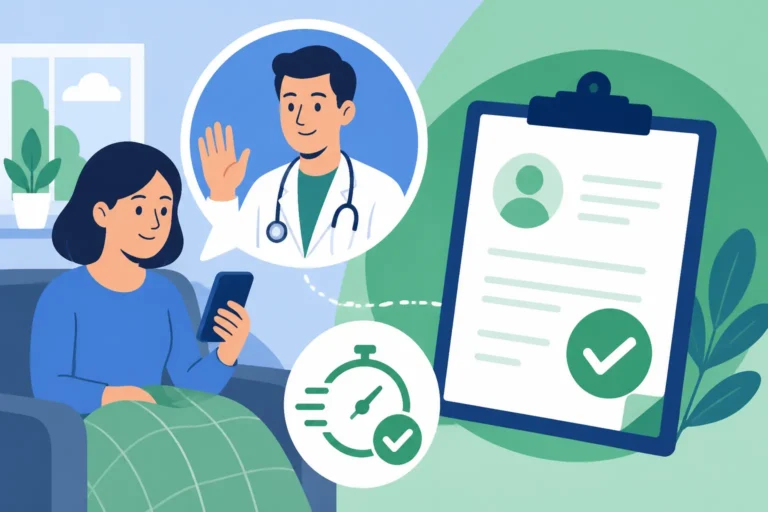
Beyond the phone service, NHS 111 also offers a very useful online platform. The NHS 111 online service allows you to input your symptoms and receive a recommendation for the most appropriate action, much like the phone service but at your own pace. This can be particularly helpful if you're struggling to articulate your symptoms verbally or prefer to read through advice.
For non-emergency police matters, there's another crucial number: 101. This is for reporting crimes that are not currently happening, seeking advice on a police matter, or contacting your local police force. For example, if your bike has been stolen overnight, or you want to report antisocial behaviour that isn't putting anyone in immediate danger, you’d call 101. It’s important to remember that these services are separate from 999, ensuring that true emergencies get through without delay. For everyday health concerns, especially as an expat, registering with a local GP is paramount. This is your primary point of contact for routine care, ongoing conditions, and referrals. You can find out more about Registering with a GP in the UK: The Complete Expat Guide (2027).
Practical Advice for Expats: Beyond the Call
Moving to the UK as an expat means adapting to a new system, and healthcare is often one of the biggest learning curves. While 999 and 111 are vital, understanding the broader context of UK healthcare and how to prepare before an emergency strikes can save you a lot of stress and potential costs.
Before an Emergency: Preparation is Key
One of the most valuable lessons I learned as an expat is that preparation isn't just a good idea – it's essential. Take the time to jot down important contacts and keep them readily accessible. This includes your GP's surgery number once you're registered, your next of kin, and even details of any known medical conditions or allergies that an emergency responder might need to know.
Crucially, memorise your full UK address and postcode. When you're in a panic, even simple details can become a blur, and providing accurate location information is the fastest way to get help dispatched. Consider compiling a small "go-bag" or a digital file with scanned copies of your passport, visa, and any private health insurance documents. For those initial weeks or months before you're fully integrated into the NHS, or if you plan to travel a lot, a flexible travel medical insurance like SafetyWing can offer incredible peace of mind. It’s designed for nomads and expats, and while the NHS covers emergencies, SafetyWing can bridge gaps, offer coverage for unforeseen medical costs abroad, or even cover emergency medical evacuation, which the NHS generally doesn't. Having SafetyWing for those transitional periods is a smart move, ensuring you have a robust safety net as you navigate your new life.
Understanding NHS Access for Expats
As an expat in the UK, understanding your access to the NHS is fundamental. Generally, if you're here on a visa for more than six months, you will have paid the Immigration Health Surcharge (IHS) as part of your visa application. This payment grants you access to the NHS on broadly the same terms as a permanent UK resident, meaning free at the point of use for most services. You can delve deeper into Understanding the Immigration Health Surcharge (IHS) and NHS Access (2027).
However, it’s vital to distinguish between emergency care and routine or specialist care. Emergency medical treatment through 999 or A&E will always be provided, regardless of your immigration status or whether you've paid the IHS. They will treat you first and ask questions later. For non-emergency care, such as GP appointments, prescription medications, or specialist referrals, your IHS payment is what grants you access. Be aware that while the NHS is comprehensive, waiting lists for non-urgent specialist appointments or procedures can be lengthy. You can learn more about How Long Are NHS Waiting Lists in the UK?. This is often where private health insurance comes into play for some expats, providing faster access to consultants and treatments. For initial emergencies or unexpected medical issues when your NHS registration might still be pending, having a policy from a provider like SafetyWing can cover immediate needs and give you options beyond the public system until you're fully settled.
Other Helpful Numbers and Services
Beyond the emergency services, there are several other crucial contacts you'll want to familiarise yourself with. Your local GP surgery is your primary point of contact for routine health concerns, preventative care, and chronic condition management. It’s where you'll get referrals for specialists and manage your general health. Finding and registering with one is a top priority, as detailed in How to Register with an NHS GP After Moving to the UK.
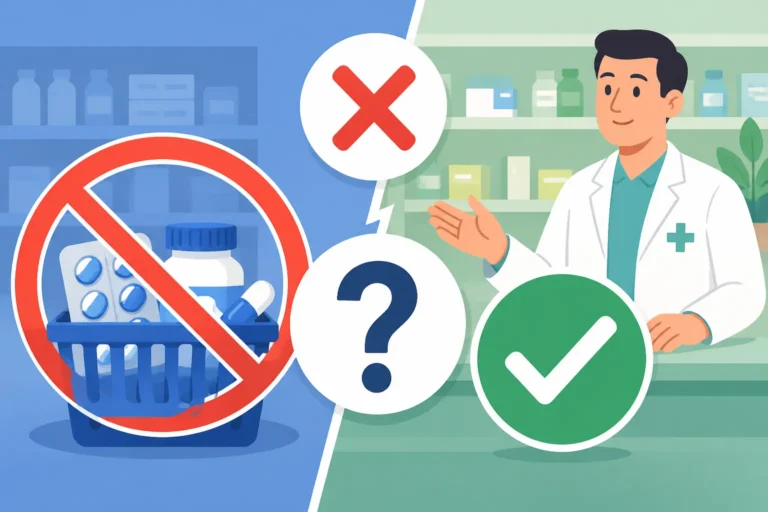
Pharmacies are also incredibly useful, offering advice for minor ailments, over-the-counter medications, and prescription dispensing. Pharmacists are highly trained and can often save you a GP visit for less serious issues. For more information, check out Prescriptions and Pharmacies in the UK: The Complete Guide. For mental health support, services like the Samaritans (call 116 123) offer confidential listening and support 24/7. Your GP can also refer you to NHS talking therapies and other mental health services, which you can learn about in How to Access Mental Health Services and NHS Talking Therapies in the UK. If you’re considering private healthcare options to supplement NHS provision, especially to bypass waiting times or access specific services, researching Health Insurance in the UK: Private Cover and Options Explained is a good step. This could be a comprehensive plan or supplemental travel insurance like SafetyWing during your initial relocation.
Common Scenarios and What to Do
Knowing the numbers is one thing, but picturing how you'd react in a real-life emergency is another. Let's walk through some common scenarios to help you feel more prepared and confident in what actions to take.
A Medical Emergency at Home
Imagine you're at home, and a flatmate or family member suddenly collapses, experiences severe, crushing chest pain, or has a severe allergic reaction where their breathing is affected. These are classic 999 situations. Your immediate action should be to call 999. While on the phone, stay calm and provide clear, concise information about the person's symptoms and your exact address.
The operator will likely guide you through basic first aid or CPR if necessary, so don't hang up until they tell you to. While waiting for the ambulance, try to make the person comfortable and keep them warm. If you have any medical information about them (e.g., existing conditions, medications, allergies), have it ready for the paramedics. Even if you've only just arrived in the UK and haven't fully registered with an NHS GP, emergency services will attend and provide care without question.
Road Accidents and Incidents
Road accidents can range from minor fender-benders to horrific crashes. Knowing when to call 999 versus 101 is key. If there are serious injuries, someone is trapped in a vehicle, or the road is completely blocked and dangerous, you must call 999 for police and ambulance services. Provide the location of the accident, how many vehicles are involved, and a brief description of any injuries you can see.
For minor incidents, where there are no serious injuries and only damage to vehicles, you should call 101 to report it to the police. This is also the number to call if you witness a hit-and-run that has no immediate danger to life. Always ensure the scene is safe if you can, exchange details with other drivers (names, insurance details, vehicle registration), and take photos if possible. In the initial period of your stay, if your NHS registration is still being processed, or if you prefer to have options for immediate private medical attention or specialist care that goes beyond standard NHS offerings, travel medical insurance such as SafetyWing can provide additional reassurance following an accident. It means you have a backup plan for medical expenses that might otherwise be a significant worry.
Witnessing a Crime or Fire
Witnessing a crime can be incredibly distressing. If you see a crime in progress, such as an assault, a robbery, or someone breaking into a property, and there is an immediate threat to life or property, call 999 straight away. Your safety is paramount, so only intervene if it's safe to do so. Otherwise, observe from a safe distance and provide as much detail as you can to the operator: what's happening, descriptions of individuals, and the location.
Similarly, if you discover a fire, even a small one, call 999 immediately. Don't try to tackle a fire yourself if it's beyond a very minor, easily extinguishable flame. Get yourself and anyone else out of the building and to a safe distance, then call the fire brigade. For crimes that have already happened and are not ongoing – for example, if you discover your car has been vandalised overnight, or you want to report suspicious activity that isn't an emergency – you should call the non-emergency police number, 101.
Here's a handy table to summarise the key emergency and non-emergency numbers in the UK:
| Service/Situation | Number | When to Call | Notes |
|---|---|---|---|
| Emergency (Life-Threatening) | 999 | Immediate threat to life, serious injury, crime in progress, fire, coastal emergency. | Police, Fire, Ambulance, Coastguard. Only for genuine emergencies. Be clear and calm. |
| Non-Emergency Medical Advice | 111 | Urgent medical help/advice when it's not a 999 emergency. | NHS service. Provides advice, directs to appropriate care (GP, Urgent Treatment Centre, pharmacy). Online service also available. |
| Non-Emergency Police | 101 | Report a crime not in progress, seek advice on a police matter, contact local police. | For less urgent police matters. Do not use if there's an immediate threat to life or property. |
| GP Surgery | (Local) | Routine appointments, ongoing medical conditions, preventative care, specialist referrals. | Your primary point of contact for most healthcare needs once registered. |
| Pharmacy | (Local) | Advice on minor ailments, over-the-counter medication, prescription dispensing. | Often quicker than a GP for minor health issues. |
| Samaritans | 116 123 | Confidential emotional support for those in distress. | Free, 24/7 listening service, not a medical emergency line but provides crucial mental health support. |
Disclaimer
Please remember that this guide provides general information based on current UK regulations and common practices for expats. While we strive to be as accurate and helpful as possible, healthcare and immigration policies can change. Always verify information with official government sources (like NHS.uk or Gov.uk) and seek professional advice tailored to your specific situation, especially for legal, medical, or financial matters.